Leucine
What is Leucine?
Leucine is an essential amino acid, meaning the body cannot make it and it must be obtained from food. It is found naturally in protein-rich foods like meat, dairy, eggs, and legumes. It can also be produced industrially through fermentation processes using microorganisms.
Is Leucine a major allergen?
Leucine itself is not one of the nine major allergens.
What is Leucine used for?
Leucine is often added to foods as a nutritional supplement, particularly in sports nutrition products like protein powders and energy bars, to support muscle growth and repair.
Is Leucine safe?
Leucine is generally recognized as safe (GRAS) by the FDA when used as a nutrient.
Why it's used
Leucine is often added to foods as a nutritional supplement, particularly in sports nutrition products like protein powders and energy bars, to support muscle growth and repair. It is also used in some infant formulas and medical foods.
Health notes
Leucine is generally recognized as safe (GRAS) by the FDA when used as a nutrient. It plays a vital role in protein synthesis and metabolism. International bodies like JECFA have evaluated leucine, and it is considered safe at typical dietary levels. Evidence does not suggest significant health concerns at levels found in food.
Allergen info
Leucine itself is not one of the nine major allergens. However, it may be derived from sources like soy or wheat, which are major allergens, depending on the manufacturing process.
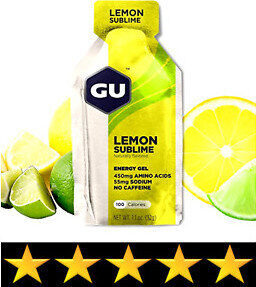
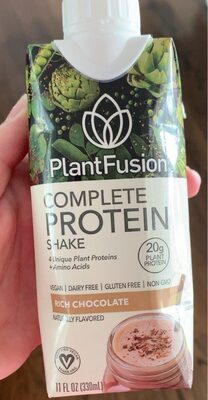
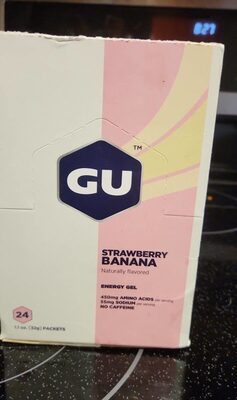
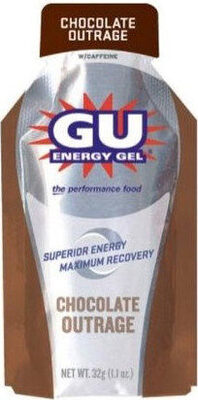
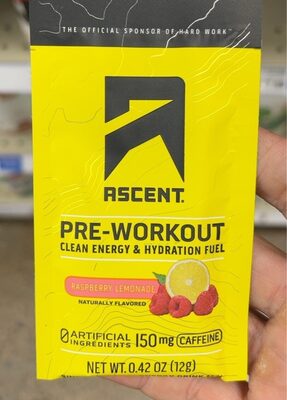
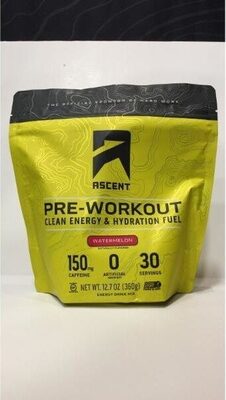
Foods that contain Leucine
Compare products →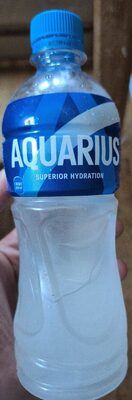

Learn more
Auto-generated content. This description was generated automatically and is pending editorial review. Inaccuracies are possible. Found a mistake? Contact us.