Light Amber Honey
What is Light Amber Honey?
Light amber honey is a natural sweetener produced by honeybees from the nectar of flowers. It is typically lighter in color and milder in flavor compared to darker honeys. The color and flavor depend on the types of flowers the bees visited.
Is Light Amber Honey vegan?
No. Light Amber Honey is animal-derived, so it is not vegan.
Is Light Amber Honey gluten-free?
It does not contain gluten.
Is Light Amber Honey a major allergen?
Not a major allergen.
What is Light Amber Honey used for?
Manufacturers use honey primarily as a sweetener, adding a distinct flavor and moisture to foods.
Is Light Amber Honey safe?
Honey is generally recognized as safe (GRAS) by the FDA for use as a food ingredient.
Why it's used
Manufacturers use honey primarily as a sweetener, adding a distinct flavor and moisture to foods. It can also act as a preservative and contribute to browning in baked goods. Honey is commonly found in snacks, baked goods, sauces, and marinades.
Health notes
Honey is generally recognized as safe (GRAS) by the FDA for use as a food ingredient. It is primarily composed of sugars, providing calories and carbohydrates. International bodies like JECFA have evaluated honey. While generally safe for adults, honey should not be given to infants under one year of age due to the risk of infant botulism.
Allergen info
Not a major allergen. Honey is not derived from any of the 9 FDA major allergens. It does not contain gluten.
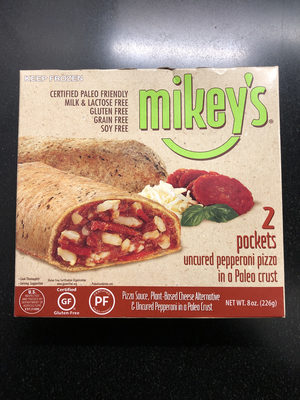
Foods that contain Light Amber Honey
Compare products →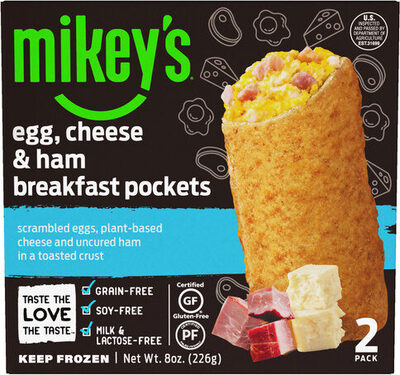
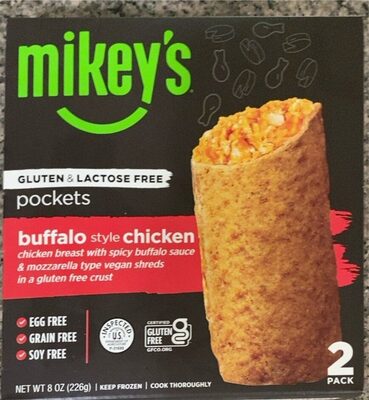

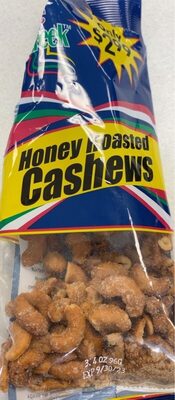

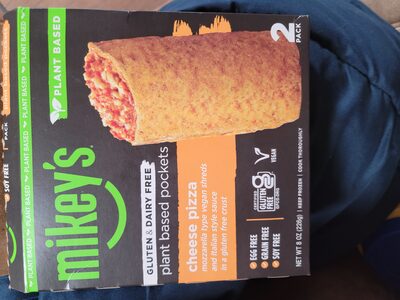
Learn more
Auto-generated content. This description was generated automatically and is pending editorial review. Inaccuracies are possible. Found a mistake? Contact us.