Live And Active Cultures: L
Auto-generated content. This description was generated automatically and is pending editorial review. Inaccuracies are possible. Found a mistake? Contact us.
What it is
Live and active cultures are beneficial bacteria and yeasts that are intentionally added to foods. These microorganisms are often found naturally in fermented foods or can be added during processing. They play a key role in the fermentation process, contributing to the unique flavors and textures of products like yogurt and cheese.
Why it's used
Manufacturers add live and active cultures to foods primarily for their role in fermentation, which develops characteristic flavors and textures. They are essential for creating the tangy taste and creamy consistency found in yogurt, kefir, and some cheeses. These cultures can also contribute to the preservation of certain foods by producing acids that inhibit spoilage.
Health notes
Live and active cultures are generally recognized as safe (GRAS) by the FDA for use in food. They are considered beneficial for gut health, and some research suggests they may help with digestion and immune function, though more studies are needed. International bodies like JECFA have evaluated some specific strains of probiotics. While generally safe, some individuals may experience mild digestive upset when first consuming foods with live cultures.
Allergen info
Not a major allergen. However, some dairy-based products containing live and active cultures may also contain milk.
Products containing Live And Active Cultures: L
Compare products →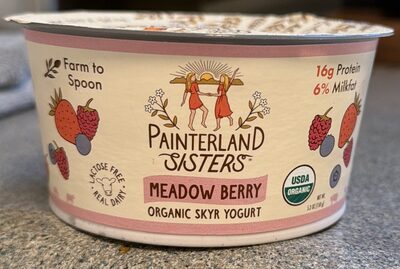 GMP Global Marketing Inc.
Meadow Berry Organic Yogurt, Meadow Berry
High in saturated fat — 25% DV per serving
107kcal
10.7Protein
5.3Fat
6.7Carbs
GMP Global Marketing Inc.
Meadow Berry Organic Yogurt, Meadow Berry
High in saturated fat — 25% DV per serving
107kcal
10.7Protein
5.3Fat
6.7Carbs
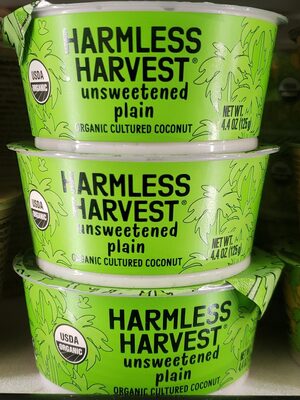 Harmless Harvest Inc.
Plain Organic Coconut Yogurt Alternative, Plain
64kcal
0.8Protein
2Fat
11.2Carbs
Harmless Harvest Inc.
Plain Organic Coconut Yogurt Alternative, Plain
64kcal
0.8Protein
2Fat
11.2Carbs
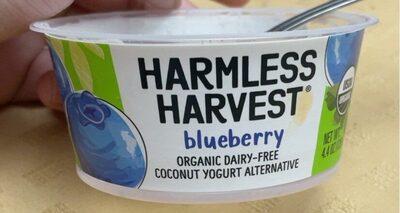 Harmless Harvest Inc.
Blueberry Organic Coconut Yogurt Alternative, Blueberry
72kcal
0.8Protein
1.6Fat
14.4Carbs
Harmless Harvest Inc.
Blueberry Organic Coconut Yogurt Alternative, Blueberry
72kcal
0.8Protein
1.6Fat
14.4Carbs
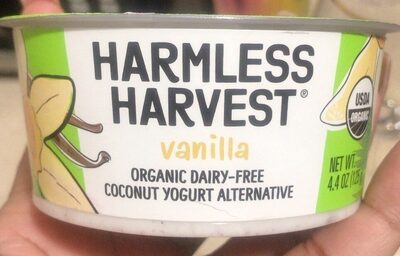 Harmless Harvest Inc.
Vanilla Organic Coconut Yogurt Alternative, Vanilla
72kcal
0.8Protein
1.6Fat
12.8Carbs
Harmless Harvest Inc.
Vanilla Organic Coconut Yogurt Alternative, Vanilla
72kcal
0.8Protein
1.6Fat
12.8Carbs
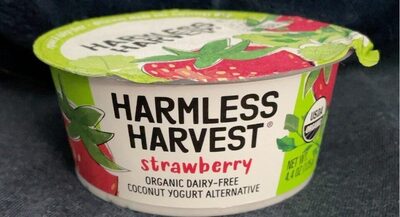 Harmless Harvest Inc.
Strawberry Organic Coconut Yogurt Alternative, Strawberry
72kcal
0.8Protein
1.6Fat
13.6Carbs
Harmless Harvest Inc.
Strawberry Organic Coconut Yogurt Alternative, Strawberry
72kcal
0.8Protein
1.6Fat
13.6Carbs
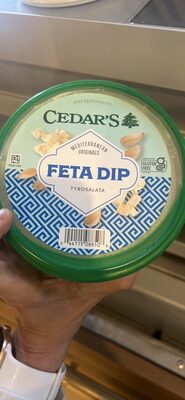 Cedar's Mediterranean Foods, Inc.
Feta Dip, Feta
214kcal
10.7Protein
16.1Fat
7.1Carbs
Cedar's Mediterranean Foods, Inc.
Feta Dip, Feta
214kcal
10.7Protein
16.1Fat
7.1Carbs