Live And Active Cultures: S
Auto-generated content. This description was generated automatically and is pending editorial review. Inaccuracies are possible. Found a mistake? Contact us.
What it is
Live and active cultures are beneficial bacteria and yeasts added to foods, most commonly dairy products. These microorganisms are introduced to help with fermentation, which can improve texture, flavor, and digestibility. They are essential for making products like yogurt and kefir.
Why it's used
Manufacturers add live and active cultures to foods to aid in the fermentation process, which contributes to the characteristic tangy flavor and thick texture of products like yogurt and some cheeses. They can also act as natural preservatives and are often highlighted on packaging to indicate the presence of beneficial probiotics.
Health notes
Live and active cultures are generally recognized as safe (GRAS) by the FDA when used in foods. These probiotics are associated with potential benefits for gut health, although research is ongoing. International bodies like the WHO and EFSA have also reviewed probiotics, recognizing their role in gut microbiota. Evidence for specific health benefits can vary depending on the strain and the food product.
Allergen info
Live and active cultures themselves are not a major allergen. However, they are often found in dairy products, which are a major allergen. If the cultures are grown on a dairy medium, there could be trace amounts of milk present.
Products containing Live And Active Cultures: S
Compare products →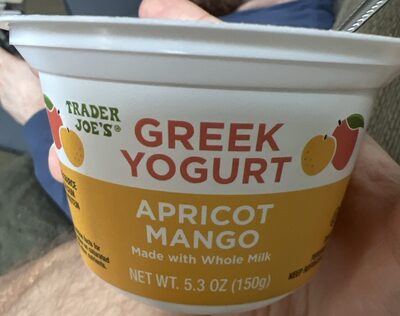 TRADER JOE'S
Greek Yogurt
High in saturated fat — 40% DV per serving
132kcal
4.8Protein
7.0Fat
12.3Carbs
TRADER JOE'S
Greek Yogurt
High in saturated fat — 40% DV per serving
132kcal
4.8Protein
7.0Fat
12.3Carbs
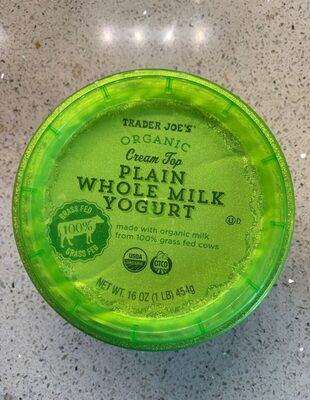 TRADER JOE'S
Organic Plain Whole Milk Yogurt
High in saturated fat — 30% DV per serving
70kcal
3.5Protein
4.0Fat
4.8Carbs
Chobani, Inc.
Chobani, Greek Oats Yogurt, Banana Maple, Banana Maple
107kcal
6.7Protein
1.3Fat
18.7Carbs
M.E.A. Co. Inc.
Peach Cream Top Organic Yogurt, Peach
High in saturated fat — 25% DV per serving
84kcal
3.5Protein
4.7Fat
7.7Carbs
Chobani, Inc.
Greek Yogurt, Strawberry With Honey Oats
107kcal
7.3Protein
1.7Fat
16.7Carbs
Chobani, Inc.
Greek Yogurt, Blueberry
127kcal
10Protein
6Fat
10Carbs
Chobani, Inc.
Greek Yogurt, Coconut Blended
100kcal
8Protein
3Fat
10.7Carbs
Chobani, Inc.
Greek Yogurt, Pineapple
93kcal
7.3Protein
2Fat
11.3Carbs
Chobani, Inc.
Greek Yogurt, Strawberry, Banana
100kcal
7.3Protein
2Fat
12.7Carbs
Zen Monkey LLC
Juicy Oats Greek Yogurt + Fruit, Peach
120kcal
6Protein
1Fat
21.3Carbs
Bar Codes Talk, Inc.
Greek Yogurt, Vanilla & Caramel
High in added sugars — 32% DV per serving
89kcal
8.9Protein
0Fat
13.1Carbs
Chobani, Inc.
Greek Yogurt, Mango Passion Fruit
67kcal
8Protein
0Fat
9.3Carbs
TRADER JOE'S
Organic Plain Whole Milk Yogurt
High in saturated fat — 30% DV per serving
70kcal
3.5Protein
4.0Fat
4.8Carbs
Chobani, Inc.
Chobani, Greek Oats Yogurt, Banana Maple, Banana Maple
107kcal
6.7Protein
1.3Fat
18.7Carbs
M.E.A. Co. Inc.
Peach Cream Top Organic Yogurt, Peach
High in saturated fat — 25% DV per serving
84kcal
3.5Protein
4.7Fat
7.7Carbs
Chobani, Inc.
Greek Yogurt, Strawberry With Honey Oats
107kcal
7.3Protein
1.7Fat
16.7Carbs
Chobani, Inc.
Greek Yogurt, Blueberry
127kcal
10Protein
6Fat
10Carbs
Chobani, Inc.
Greek Yogurt, Coconut Blended
100kcal
8Protein
3Fat
10.7Carbs
Chobani, Inc.
Greek Yogurt, Pineapple
93kcal
7.3Protein
2Fat
11.3Carbs
Chobani, Inc.
Greek Yogurt, Strawberry, Banana
100kcal
7.3Protein
2Fat
12.7Carbs
Zen Monkey LLC
Juicy Oats Greek Yogurt + Fruit, Peach
120kcal
6Protein
1Fat
21.3Carbs
Bar Codes Talk, Inc.
Greek Yogurt, Vanilla & Caramel
High in added sugars — 32% DV per serving
89kcal
8.9Protein
0Fat
13.1Carbs
Chobani, Inc.
Greek Yogurt, Mango Passion Fruit
67kcal
8Protein
0Fat
9.3Carbs