Live And Active Cultures
Auto-generated content. This description was generated automatically and is pending editorial review. Inaccuracies are possible. Found a mistake? Contact us.
What it is
Live and active cultures are beneficial bacteria and yeasts used to ferment foods. They are naturally present in some foods and are added to others to create specific flavors, textures, and health benefits. The most common cultures are Lactobacillus species and Bifidobacterium species.
Why it's used
These cultures are primarily added to dairy products like yogurt and kefir to aid in fermentation, which produces lactic acid. This acid gives these foods their characteristic tangy flavor and helps preserve them. They are also found in some fermented vegetables and probiotic supplements.
Health notes
Live and active cultures are generally recognized as safe (GRAS) by the FDA for use in foods. They are often associated with improved gut health, though research is ongoing. International bodies like JECFA have evaluated probiotics, and EFSA has also reviewed their use. Evidence on specific health benefits can vary depending on the strain and the amount consumed.
Allergen info
Live and active cultures themselves are not one of the 9 major allergens. However, they are often found in dairy products, which are a major allergen. Gluten is not typically associated with these cultures.
Products containing Live And Active Cultures
Compare products →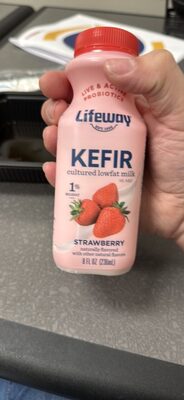 Lifeway Foods Inc.
Kefir Cultured Lowfat Milk Strawberry Smoothie
58kcal
4.6Protein
0.8Fat
8.3Carbs
Lifeway Foods Inc.
Kefir Cultured Lowfat Milk Strawberry Smoothie
58kcal
4.6Protein
0.8Fat
8.3Carbs
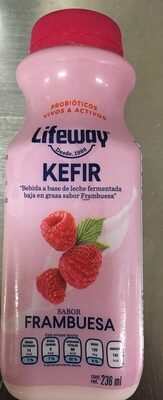 Lifeway Foods Inc.
Kefir Cultured Lowfat Milk Smoothie
58kcal
4.6Protein
0.8Fat
8.3Carbs
Lifeway Foods Inc.
Kefir Cultured Lowfat Milk Smoothie
58kcal
4.6Protein
0.8Fat
8.3Carbs
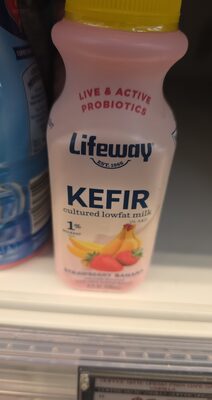 Lifeway Foods Inc.
Kefir Cultured Lowfat Milk Smoothie
58kcal
4.6Protein
0.8Fat
8.3Carbs
Lifeway Foods Inc.
Kefir Cultured Lowfat Milk Smoothie
58kcal
4.6Protein
0.8Fat
8.3Carbs
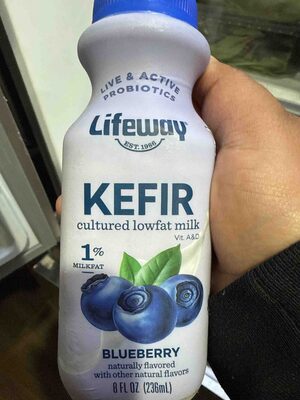 Lifeway Foods Inc.
Kefir Cultured Lowfat Milk Smoothie
58kcal
4.6Protein
0.8Fat
8.3Carbs
Lifeway Foods Inc.
Kefir Cultured Lowfat Milk Smoothie
58kcal
4.6Protein
0.8Fat
8.3Carbs
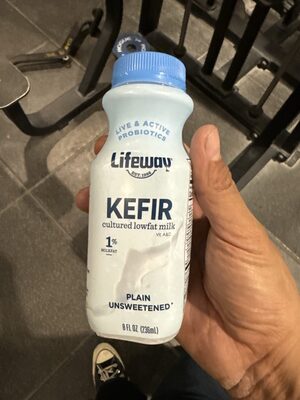 Lifeway Foods Inc.
Kefir Cultured Lowfat Milk Smoothie
46kcal
4.6Protein
0.8Fat
5Carbs
Lifeway Foods Inc.
Kefir Cultured Lowfat Milk Smoothie
46kcal
4.6Protein
0.8Fat
5Carbs
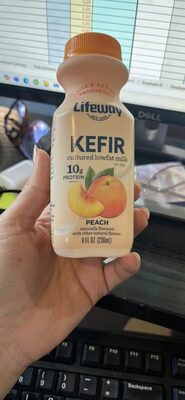 Lifeway Foods Inc.
Peach Kefir Cultured Lowfat Milk Smoothie
58kcal
4.6Protein
0.8Fat
8.3Carbs
Lifeway Foods Inc.
Peach Kefir Cultured Lowfat Milk Smoothie
58kcal
4.6Protein
0.8Fat
8.3Carbs
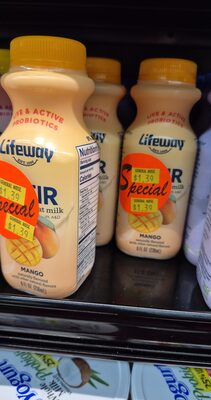 Lifeway Foods Inc.
Cultured Lowfat Milk Smoothie
58kcal
4.6Protein
0.8Fat
8.3Carbs
Lifeway Foods Inc.
Kefir Cultured Lowfat Milk Smoothie
58kcal
4.6Protein
0.8Fat
8.3Carbs
Lifeway Foods Inc.
Kefir Cultured Lowfat Milk Smoothie
58kcal
4.6Protein
0.8Fat
8.3Carbs
Lifeway Foods Inc.
Cultured Lowfat Milk Smoothie
58kcal
4.6Protein
0.8Fat
8.3Carbs
Lifeway Foods Inc.
Kefir Cultured Lowfat Milk Smoothie
58kcal
4.6Protein
0.8Fat
8.3Carbs
Lifeway Foods Inc.
Kefir Cultured Lowfat Milk Smoothie
58kcal
4.6Protein
0.8Fat
8.3Carbs
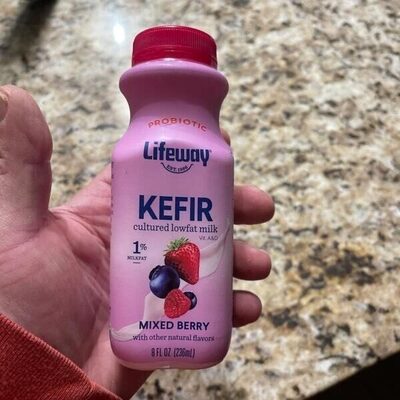 Lifeway Foods Inc.
Kefir Cultured Lowfat Milk Smoothie
58kcal
4.6Protein
0.8Fat
8.3Carbs
Lifeway Foods Inc.
Kefir Cultured Lowfat Milk Smoothie
58kcal
4.6Protein
0.8Fat
8.3Carbs