Live Cultures
Auto-generated content. This description was generated automatically and is pending editorial review. Inaccuracies are possible. Found a mistake? Contact us.
What it is
Live cultures are microorganisms, such as bacteria and yeasts, that are beneficial to health. They are naturally present in fermented foods and are often added to processed foods to improve their nutritional profile and digestive benefits.
Why it's used
Manufacturers add live cultures to foods like yogurt, kefir, and some breads to enhance flavor, texture, and shelf life through fermentation. They are also added to supplements and other processed foods for their potential health benefits.
Health notes
Live cultures, often referred to as probiotics, are generally recognized as safe (GRAS) by the FDA when used in foods. While research is ongoing, some studies suggest they may support gut health and immune function. International bodies like JECFA and EFSA have evaluated various strains of live cultures. Evidence on specific health benefits can be mixed, and effects may vary depending on the strain and individual.
Allergen info
Live cultures themselves are not typically derived from major allergens. However, the food products they are added to may contain allergens, such as dairy in yogurt or gluten in bread.
Products containing Live Cultures
Compare products →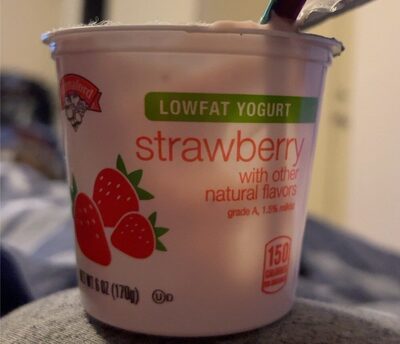 Hannaford Bros. Co.
Strawberry Lowfat Yogurt, Strawberry
High in added sugars — 28% DV per serving
88kcal
2.9Protein
1.2Fat
15.9Carbs
Food Town Stores Inc.
Nonfat Frozen Yogurt, Blueberry Swirl
147kcal
2.9Protein
0Fat
32.4Carbs
Southwest Marketing
Plain Cow Yogurt
High in saturated fat — 23% DV per serving
94kcal
2.9Protein
4.1Fat
11.8Carbs
Southwest Marketing
Cream Top Non Homogenized Plain Sheep Yogurt
High in saturated fat — 35% DV per serving
100kcal
6.5Protein
6.5Fat
3.5Carbs
Rainbow Games Inc
Rye Cheddar Bread, Rye Cheddar
250kcal
10.7Protein
3.6Fat
50Carbs
Hannaford Bros. Co.
Strawberry Lowfat Yogurt, Strawberry
High in added sugars — 28% DV per serving
88kcal
2.9Protein
1.2Fat
15.9Carbs
Food Town Stores Inc.
Nonfat Frozen Yogurt, Blueberry Swirl
147kcal
2.9Protein
0Fat
32.4Carbs
Southwest Marketing
Plain Cow Yogurt
High in saturated fat — 23% DV per serving
94kcal
2.9Protein
4.1Fat
11.8Carbs
Southwest Marketing
Cream Top Non Homogenized Plain Sheep Yogurt
High in saturated fat — 35% DV per serving
100kcal
6.5Protein
6.5Fat
3.5Carbs
Rainbow Games Inc
Rye Cheddar Bread, Rye Cheddar
250kcal
10.7Protein
3.6Fat
50Carbs