Locust Bean
What is Locust Bean?
Locust bean gum is a thickening and stabilizing agent derived from the seeds of the carob tree, native to the Mediterranean region. The seeds are ground into a fine powder to create the gum.
Is Locust Bean vegan?
Locust Bean is not animal-derived. Products that contain it can still include other animal-derived ingredients, so check the full ingredient list.
Is Locust Bean gluten-free?
It does not contain gluten.
Is Locust Bean a major allergen?
Locust bean gum is not derived from any of the nine FDA major allergens.
What is Locust Bean used for?
Manufacturers add locust bean gum to improve texture and prevent ice crystal formation in foods like ice cream and frozen yogurt.
Is Locust Bean safe?
Locust bean gum is generally recognized as safe (GRAS) by the FDA.
Why it's used
Manufacturers add locust bean gum to improve texture and prevent ice crystal formation in foods like ice cream and frozen yogurt. It also acts as a stabilizer in dairy products and a thickener in sauces and dressings.
Health notes
Locust bean gum is generally recognized as safe (GRAS) by the FDA. It is a source of soluble fiber, which may aid digestion. International bodies like JECFA have evaluated locust bean gum. At typical consumption levels, it is not associated with adverse health effects.
Allergen info
Locust bean gum is not derived from any of the nine FDA major allergens. It does not contain gluten.
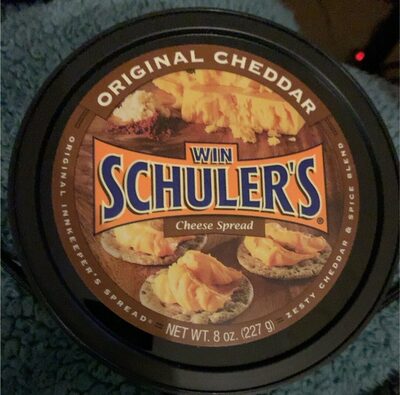
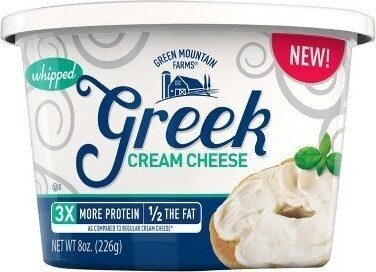
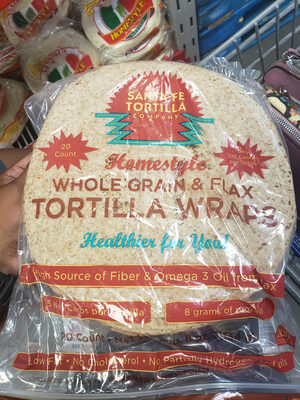
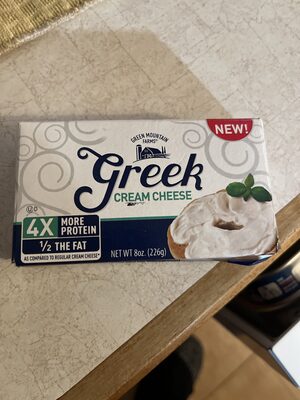
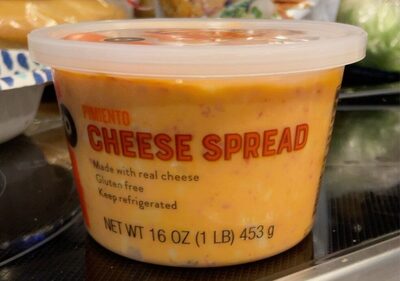
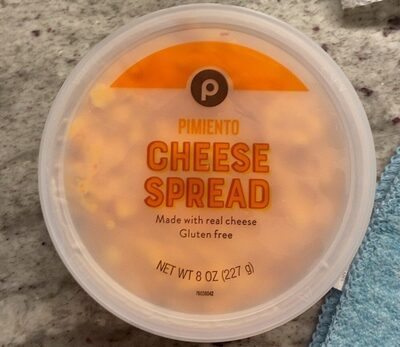
Foods that contain Locust Bean
Compare products →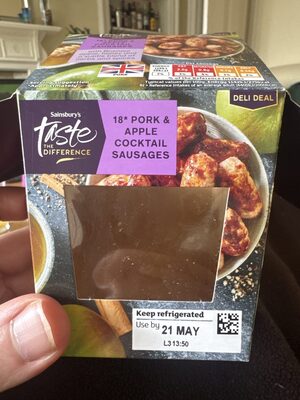
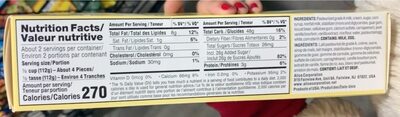
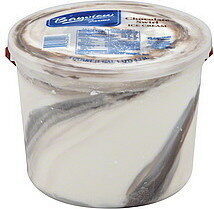
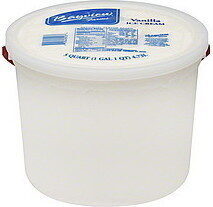
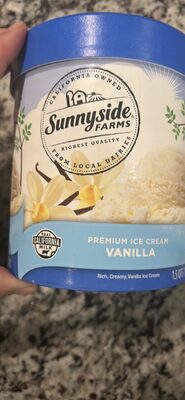
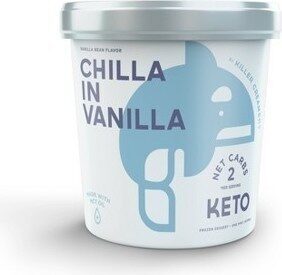

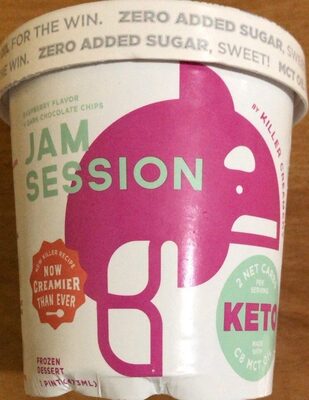

Learn more
Auto-generated content. This description was generated automatically and is pending editorial review. Inaccuracies are possible. Found a mistake? Contact us.