Loin
What is Loin?
Loin refers to a cut of meat from the back of an animal, typically between the ribs and the hindquarters. In US packaged foods, this cut most commonly comes from pork or beef. It is known for being a relatively lean and tender cut of meat.
Is Loin vegan?
No. Loin is animal-derived, so it is not vegan.
Is Loin a major allergen?
Loin is a cut of meat and is not considered one of the 9 major food allergens identified by the FDA.
What is Loin used for?
Loin is primarily used as a main ingredient and protein source in various meat products.
Is Loin safe?
Loin, as a whole food, is not a food additive and therefore does not have an FDA regulatory status like GRAS or an approved additive.
Why it's used
Loin is primarily used as a main ingredient and protein source in various meat products. It contributes to the texture, flavor, and nutritional content of foods like sausages, hot dogs, and breakfast sandwiches. Manufacturers incorporate loin to provide the bulk and characteristic taste of these items.
Health notes
Loin, as a whole food, is not a food additive and therefore does not have an FDA regulatory status like GRAS or an approved additive. It is a source of protein, B vitamins, and minerals such as iron and zinc. The Dietary Guidelines for Americans (2025-2030) recommend choosing lean cuts of meat as part of a healthy eating pattern. Some cuts of loin may contain saturated fat, and the DGA advises limiting saturated fat intake to less than 10% of daily calories.
Allergen info
Loin is a cut of meat and is not considered one of the 9 major food allergens identified by the FDA.
Foods that contain Loin
Compare products →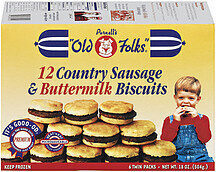
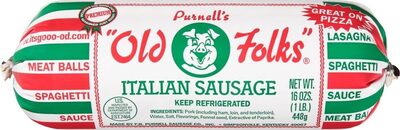
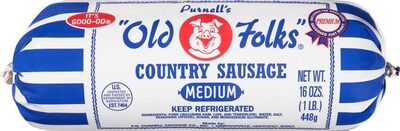
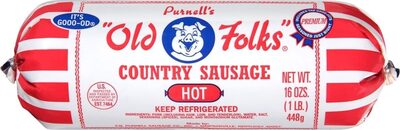
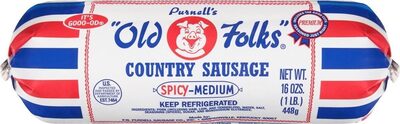
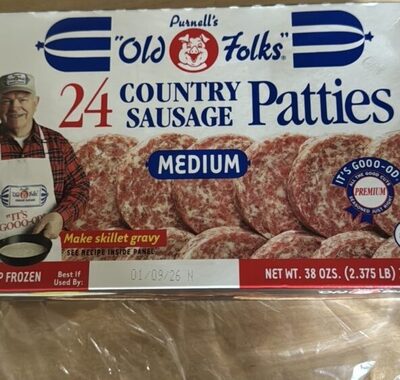
Learn more
Auto-generated content. This description was generated automatically and is pending editorial review. Inaccuracies are possible. Found a mistake? Contact us.