Lumpfish Roe
What is Lumpfish Roe?
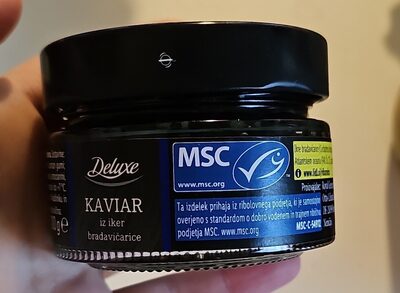
Lumpfish roe are the eggs of the lumpfish, a type of fish found in the North Atlantic and Arctic Oceans. The eggs are typically harvested, cured, and often dyed to resemble more expensive caviar, such as sturgeon caviar.
Is Lumpfish Roe vegan?
No. Lumpfish Roe is animal-derived, so it is not vegan.
Is Lumpfish Roe a major allergen?
Lumpfish roe is derived from fish, which is one of the 9 major allergens recognized by the FDA.
What is Lumpfish Roe used for?
Lumpfish roe is used as a garnish and flavor enhancer, adding a salty, briny taste and a pop of texture.
Is Lumpfish Roe safe?
Lumpfish roe is a source of protein, omega-3 fatty acids, and various vitamins and minerals.
Why it's used
Lumpfish roe is used as a garnish and flavor enhancer, adding a salty, briny taste and a pop of texture. It is commonly found in appetizers, hors d'oeuvres, and as a topping for seafood dishes, cream cheese, and eggs.
Health notes
Lumpfish roe is a source of protein, omega-3 fatty acids, and various vitamins and minerals. The U.S. Food and Drug Administration (FDA) considers fish and fish roe to be generally recognized as safe (GRAS) when used for food. The Joint FAO/WHO Expert Committee on Food Additives (JECFA) has evaluated fish roe and found no safety concerns at typical consumption levels. As with any seafood, consuming raw or undercooked roe carries a risk of foodborne illness.
Allergen info
Lumpfish roe is derived from fish, which is one of the 9 major allergens recognized by the FDA. Consumers with a fish allergy should avoid this ingredient.
Foods that contain Lumpfish Roe
Compare products →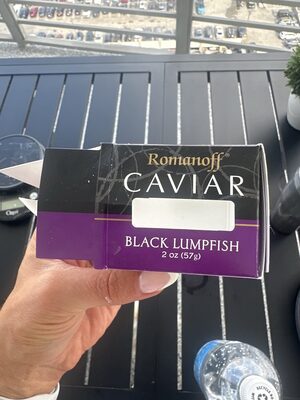
Auto-generated content. This description was generated automatically and is pending editorial review. Inaccuracies are possible. Found a mistake? Contact us.