Magnesium Chloride And Potassium Bicarbonate
What is Magnesium Chloride And Potassium Bicarbonate?
Magnesium chloride and potassium bicarbonate are mineral compounds. Magnesium chloride is a salt formed from magnesium and chlorine. Potassium bicarbonate is a salt formed from potassium and bicarbonate. They are often added to water to improve its taste and mineral content.
Is Magnesium Chloride And Potassium Bicarbonate vegan?
Magnesium Chloride And Potassium Bicarbonate is not animal-derived. Products that contain it can still include other animal-derived ingredients, so check the full ingredient list.
Is Magnesium Chloride And Potassium Bicarbonate a major allergen?
Not a major allergen.
What is Magnesium Chloride And Potassium Bicarbonate used for?
These ingredients are added to beverages, particularly bottled water, to enhance the mineral profile and provide electrolytes.
Is Magnesium Chloride And Potassium Bicarbonate safe?
Magnesium chloride and potassium bicarbonate are generally recognized as safe (GRAS) by the FDA for use in food.
Why it's used
These ingredients are added to beverages, particularly bottled water, to enhance the mineral profile and provide electrolytes. They can also act as acidity regulators, helping to balance the pH of the product.
Health notes
Magnesium chloride and potassium bicarbonate are generally recognized as safe (GRAS) by the FDA for use in food. They are sources of essential minerals. International bodies like JECFA have evaluated similar mineral salts, and EFSA has also assessed their safety. Evidence does not suggest adverse health effects at typical dietary intake levels.
Allergen info
Not a major allergen. Neither magnesium chloride nor potassium bicarbonate are derived from the major allergens.
Foods that contain Magnesium Chloride And Potassium Bicarbonate
Compare products →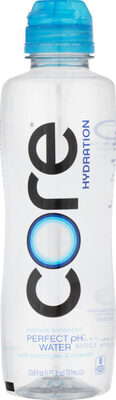 Core Nutrition, LLC
Nutrient Enhanced Perfect Ph Water
0kcal
0Protein
0Fat
0Carbs
Core Nutrition, LLC
Nutrient Enhanced Perfect Ph Water
0kcal
0Protein
0Fat
0Carbs
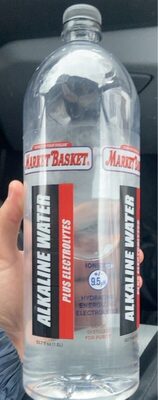 Market Basket Inc.
Alkaline Water Plus Electrolytes
0kcal
0Protein
0Fat
0Carbs
Perryworks, Inc.
Reliant, Recovery Water, Peach, Peach
0kcal
0Protein
0Fat
0Carbs
Perryworks, Inc.
Recovery Water
0kcal
0Protein
0Fat
0Carbs
Core Nutrition, LLC
Perfectly Balanced Water
0kcal
0Protein
0Fat
0Carbs
Core Nutrition, LLC
Perfectly Balanced Water
0kcal
0Protein
0Fat
0Carbs
Chiu Hop Company
Alkaline Water
0kcal
0Protein
0Fat
0Carbs
Market Basket Inc.
Alkaline Water
0kcal
0Protein
0Fat
0Carbs
Market Basket Inc.
Alkaline Water
0kcal
0Protein
0Fat
0Carbs
Market Basket Inc.
Alkaline Water
—kcal
0Protein
0Fat
0Carbs
Core Nutrition, LLC
Perfectly Balanced Water
0kcal
0Protein
0Fat
0Carbs
Chateau Laurent
Heroec H2O, Energy Water, Blue Raspberry, Blue Raspberry
0kcal
0Protein
0Fat
0Carbs
Market Basket Inc.
Alkaline Water Plus Electrolytes
0kcal
0Protein
0Fat
0Carbs
Perryworks, Inc.
Reliant, Recovery Water, Peach, Peach
0kcal
0Protein
0Fat
0Carbs
Perryworks, Inc.
Recovery Water
0kcal
0Protein
0Fat
0Carbs
Core Nutrition, LLC
Perfectly Balanced Water
0kcal
0Protein
0Fat
0Carbs
Core Nutrition, LLC
Perfectly Balanced Water
0kcal
0Protein
0Fat
0Carbs
Chiu Hop Company
Alkaline Water
0kcal
0Protein
0Fat
0Carbs
Market Basket Inc.
Alkaline Water
0kcal
0Protein
0Fat
0Carbs
Market Basket Inc.
Alkaline Water
0kcal
0Protein
0Fat
0Carbs
Market Basket Inc.
Alkaline Water
—kcal
0Protein
0Fat
0Carbs
Core Nutrition, LLC
Perfectly Balanced Water
0kcal
0Protein
0Fat
0Carbs
Chateau Laurent
Heroec H2O, Energy Water, Blue Raspberry, Blue Raspberry
0kcal
0Protein
0Fat
0Carbs
Learn more
Auto-generated content. This description was generated automatically and is pending editorial review. Inaccuracies are possible. Found a mistake? Contact us.