Mahi Mahi
What is Mahi Mahi?
Mahi mahi is a large, firm-fleshed saltwater fish found in tropical and subtropical waters worldwide. It is a popular food fish, often caught wild and sold fresh or frozen. The flesh is typically white to pinkish and has a mild, slightly sweet flavor.
Is Mahi Mahi vegan?
No. Mahi Mahi is animal-derived, so it is not vegan.
Is Mahi Mahi a major allergen?
Mahi mahi is a type of fish, which is one of the 9 FDA major allergens.
What is Mahi Mahi used for?
Mahi mahi is most often sold as a whole fish, fillets, or steaks.
Is Mahi Mahi safe?
Mahi mahi is a source of lean protein, omega-3 fatty acids, and various vitamins and minerals.
Why it's used
Mahi mahi is most often sold as a whole fish, fillets, or steaks. It is prepared by consumers for baking, grilling, broiling, or pan-searing. It is also used in seafood dishes, tacos, and salads.
Health notes
Mahi mahi is a source of lean protein, omega-3 fatty acids, and various vitamins and minerals. The FDA does not specifically regulate mahi mahi as a food additive. Like other seafood, it can contain mercury, and the FDA and EPA advise certain groups, such as pregnant women and young children, to limit consumption of high-mercury fish.
Allergen info
Mahi mahi is a type of fish, which is one of the 9 FDA major allergens. Individuals with a fish allergy should avoid consuming mahi mahi.
Foods that contain Mahi Mahi
Compare products →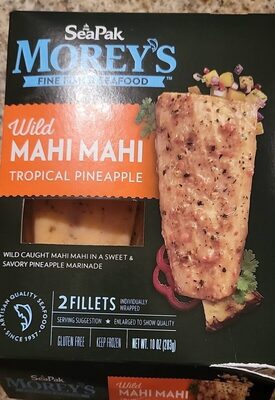
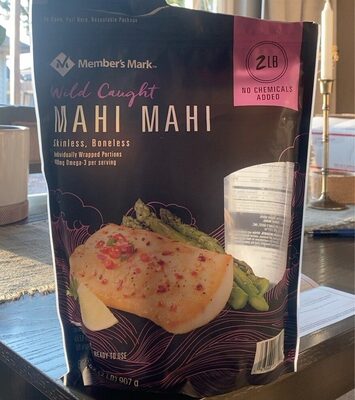
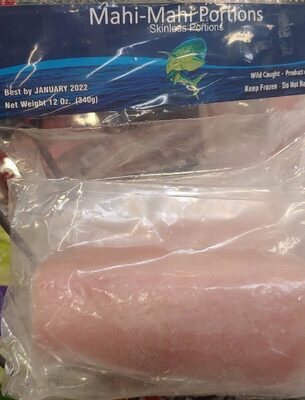
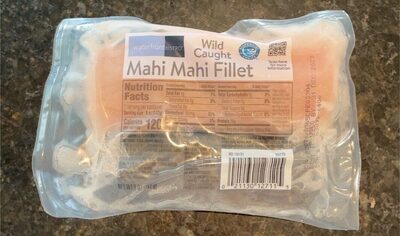

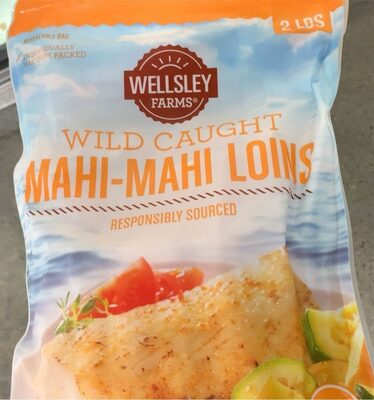
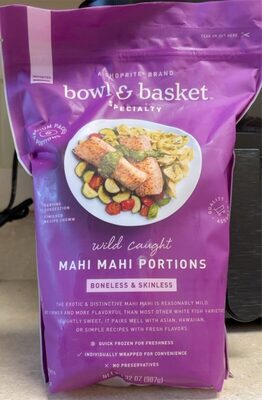

Learn more
Auto-generated content. This description was generated automatically and is pending editorial review. Inaccuracies are possible. Found a mistake? Contact us.