Malted Barley And Corn
What is Malted Barley And Corn?
Malted barley and corn are grains that have been processed to increase their sugar content. Barley is first germinated (malted) and then dried. Both grains are then often cooked with enzymes to convert starches into sugars, creating a sweet syrup.
Is Malted Barley And Corn vegan?
Malted Barley And Corn is not animal-derived. Products that contain it can still include other animal-derived ingredients, so check the full ingredient list.
Is Malted Barley And Corn gluten-free?
Malted barley is derived from barley, which contains gluten.
What is Malted Barley And Corn used for?
This mixture is primarily used as a sweetener and flavor enhancer in baked goods like crackers, pie crusts, and bread.
Is Malted Barley And Corn safe?
Malted barley and corn syrup are generally recognized as safe (GRAS) by the FDA when used as food ingredients.
Why it's used
This mixture is primarily used as a sweetener and flavor enhancer in baked goods like crackers, pie crusts, and bread. It contributes a mild, malty sweetness and can also aid in browning.
Health notes
Malted barley and corn syrup are generally recognized as safe (GRAS) by the FDA when used as food ingredients. They are sources of carbohydrates and sugars. While not a major health concern at typical consumption levels, like other added sugars, excessive intake can contribute to health issues. Regulatory bodies like JECFA and EFSA have evaluated similar sweeteners.
Allergen info
Malted barley is derived from barley, which contains gluten. Therefore, this ingredient is not suitable for individuals with celiac disease or gluten sensitivity. It is not one of the 9 FDA major allergens.
Foods that contain Malted Barley And Corn
Compare products →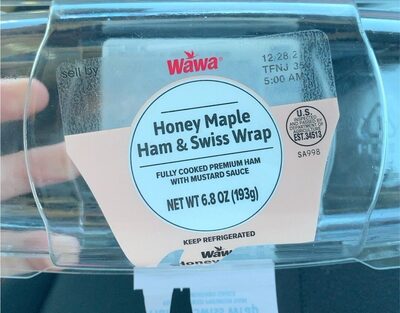 Wawa Incorporated
Honey Maple Ham & Swiss Wrap, Honey Maple
High in sodium — 55% DV per serving
High in saturated fat — 30% DV per serving
High in cholesterol — 22% DV per serving
202kcal
14.0Protein
8.3Fat
18.6Carbs
Hannaford Bros. Co.
Hannaford, Regular Graham Cracker Pie Crust
476kcal
4.8Protein
23.8Fat
66.7Carbs
Winn-Dixie Stores, Inc.
Graham Crackers, Pie Crust
500kcal
3.9Protein
23.1Fat
65.4Carbs
Relish Labs LLC
Mustard Pretzel Crusted Chicken With Garlic And Herb Cheesy Mashed Potatoes, Mustard Pretzel Crusted Chicken
High in sodium — 75% DV per serving
High in saturated fat — 75% DV per serving
High in cholesterol — 60% DV per serving
157kcal
10.2Protein
7.7Fat
11.1Carbs
Wawa Incorporated
Honey Maple Ham & Swiss Wrap, Honey Maple
High in sodium — 55% DV per serving
High in saturated fat — 30% DV per serving
High in cholesterol — 22% DV per serving
202kcal
14.0Protein
8.3Fat
18.6Carbs
Hannaford Bros. Co.
Hannaford, Regular Graham Cracker Pie Crust
476kcal
4.8Protein
23.8Fat
66.7Carbs
Winn-Dixie Stores, Inc.
Graham Crackers, Pie Crust
500kcal
3.9Protein
23.1Fat
65.4Carbs
Relish Labs LLC
Mustard Pretzel Crusted Chicken With Garlic And Herb Cheesy Mashed Potatoes, Mustard Pretzel Crusted Chicken
High in sodium — 75% DV per serving
High in saturated fat — 75% DV per serving
High in cholesterol — 60% DV per serving
157kcal
10.2Protein
7.7Fat
11.1Carbs
Learn more
Auto-generated content. This description was generated automatically and is pending editorial review. Inaccuracies are possible. Found a mistake? Contact us.