Mango Pulp
Auto-generated content. This description was generated automatically and is pending editorial review. Inaccuracies are possible. Found a mistake? Contact us.
What it is
Mango pulp is the soft, fleshy part of a mango fruit. It is made by processing ripe mangoes, often by pureeing or mashing them. The pulp can be fresh or preserved, usually through pasteurization or freezing.
Why it's used
Manufacturers use mango pulp primarily for its sweet, tropical flavor and thick texture. It adds natural sweetness and body to a wide range of products. Common uses include fruit juices, nectars, smoothies, jams, jellies, baked goods like tarts and cakes, and sauces.
Health notes
Mango pulp is generally recognized as safe (GRAS) by the FDA as a food ingredient. It is a source of natural sugars, vitamins (like Vitamin C and A), and fiber. International bodies like JECFA have evaluated mango pulp and related products. At typical consumption levels found in foods, it does not pose health concerns.
Allergen info
Mango pulp is not one of the nine major allergens recognized by the FDA. It does not contain gluten.
Products containing Mango Pulp
Compare products →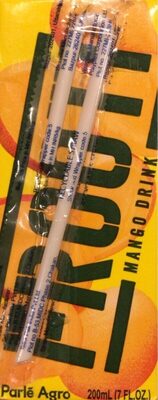 PARLE INTERNATIONAL
Frooti, Mango Drink
65kcal
0Protein
0Fat
16Carbs
TWO-BITE
Fruit Drop Cakes, Mango
High in saturated fat — 20% DV per serving
360kcal
2.7Protein
17.3Fat
49.3Carbs
PARLE INTERNATIONAL
Frooti, Mango Drink
65kcal
0Protein
0Fat
16Carbs
TWO-BITE
Fruit Drop Cakes, Mango
High in saturated fat — 20% DV per serving
360kcal
2.7Protein
17.3Fat
49.3Carbs
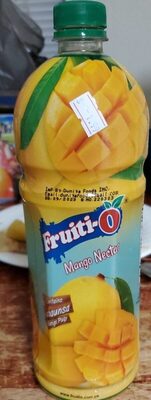 FRUITI-O
Juice Drink, Mango
52kcal
0.4Protein
0Fat
12.9Carbs
FRUITI-O
Juice Drink, Mango
52kcal
0.4Protein
0Fat
12.9Carbs
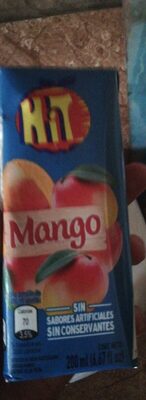 HIT
Mango Juice Drink
45kcal
0Protein
0Fat
11.5Carbs
General Mills, Inc.
Yogurt Perfection, Orange Mango
High in saturated fat — 35% DV per serving
147kcal
4.7Protein
7.1Fat
17.1Carbs
Goya Foods, Inc.
Goya, Mango Paste
321kcal
0Protein
0Fat
82.1Carbs
Market 5201, LLC
Kinchia, Galactic Warrior Chia & Mango Beverage, Chia + Mango, Chia + Mango
20kcal
0.4Protein
0.2Fat
4Carbs
Weis Markets, Inc.
Spicy Sweet Pepper Sauce, Mango Coconut
133kcal
0Protein
3.3Fat
26.7Carbs
United Natural Foods, Inc.
Mango Coconut Dipping Sauce
133kcal
0Protein
3.3Fat
26.7Carbs
GS1 Mexico
Mango Flavor Drink, Mango
36kcal
0Protein
0Fat
8.9Carbs
Goya Foods, Inc.
Tropical Fruit Juice Drink, Mango
42kcal
0Protein
0Fat
10.4Carbs
HIT
Mango Juice Drink
45kcal
0Protein
0Fat
11.5Carbs
General Mills, Inc.
Yogurt Perfection, Orange Mango
High in saturated fat — 35% DV per serving
147kcal
4.7Protein
7.1Fat
17.1Carbs
Goya Foods, Inc.
Goya, Mango Paste
321kcal
0Protein
0Fat
82.1Carbs
Market 5201, LLC
Kinchia, Galactic Warrior Chia & Mango Beverage, Chia + Mango, Chia + Mango
20kcal
0.4Protein
0.2Fat
4Carbs
Weis Markets, Inc.
Spicy Sweet Pepper Sauce, Mango Coconut
133kcal
0Protein
3.3Fat
26.7Carbs
United Natural Foods, Inc.
Mango Coconut Dipping Sauce
133kcal
0Protein
3.3Fat
26.7Carbs
GS1 Mexico
Mango Flavor Drink, Mango
36kcal
0Protein
0Fat
8.9Carbs
Goya Foods, Inc.
Tropical Fruit Juice Drink, Mango
42kcal
0Protein
0Fat
10.4Carbs