Margarine Vegetable Oil
Auto-generated content. This description was generated automatically and is pending editorial review. Inaccuracies are possible. Found a mistake? Contact us.
What it is
Margarine is a spread used as a substitute for butter. It is typically made from vegetable oils, such as soybean, corn, or canola oil, which are processed and blended with water, salt, and sometimes milk or other ingredients. The process often involves hydrogenation or interesterification to achieve a solid or semi-solid texture.
Why it's used
Manufacturers use margarine as a fat source in baked goods and other processed foods, providing moisture, tenderness, and flavor. It functions similarly to butter in recipes and is commonly found in cookies, cakes, pastries, and frozen doughs.
Health notes
Margarine's health impact is often linked to its fat content, particularly the type of fats used. While trans fats, historically present in some margarines due to partial hydrogenation, have been linked to negative health outcomes, many manufacturers have reformulated to reduce or eliminate them. The FDA has evaluated various vegetable oils used in margarine and considers many to be Generally Recognized As Safe (GRAS). JECFA has evaluated certain fats and oils used in margarine and established acceptable daily intakes.
Allergen info
Margarine is not a major allergen itself. However, depending on the specific ingredients used, it may contain or be derived from major allergens like soy (soybean oil) or milk. Always check the ingredient list for specific allergen information.
Products containing Margarine Vegetable Oil
Compare products →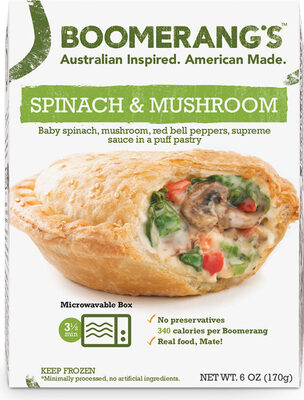 Boomerang's Foods, Inc.
Spinach & Mushroom Spinach, Mushrooms, Red Bell Peppers And Monterey Jack Cheese Mixed With A Cream Sauce In A Puff Pastry, Spinach & Mushroom
High in sodium — 32% DV per serving
High in saturated fat — 30% DV per serving
200kcal
5.3Protein
7.1Fat
29.4Carbs
Boomerang's Foods, Inc.
Spinach & Mushroom Spinach, Mushrooms, Red Bell Peppers And Monterey Jack Cheese Mixed With A Cream Sauce In A Puff Pastry, Spinach & Mushroom
High in sodium — 32% DV per serving
High in saturated fat — 30% DV per serving
200kcal
5.3Protein
7.1Fat
29.4Carbs
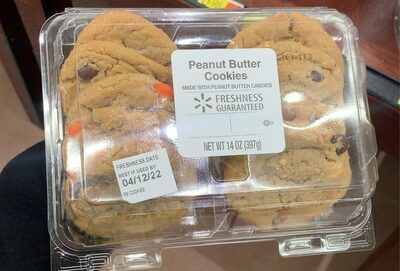 Wal-Mart Stores, Inc.
Peanut Butter Cookies, Peanut Butter
450kcal
7.5Protein
20Fat
57.5Carbs
Wal-Mart Stores, Inc.
Peanut Butter Cookies, Peanut Butter
450kcal
7.5Protein
20Fat
57.5Carbs
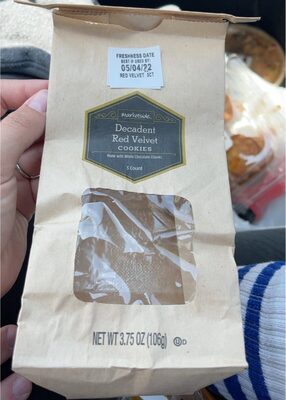 Wal-Mart Stores, Inc.
Decadent Red Velvet Cookies, Decadent Red Velvet
High in added sugars — 24% DV per serving
429kcal
5.7Protein
20Fat
60Carbs
Wal-Mart Stores, Inc.
Decadent Red Velvet Cookies, Decadent Red Velvet
High in added sugars — 24% DV per serving
429kcal
5.7Protein
20Fat
60Carbs
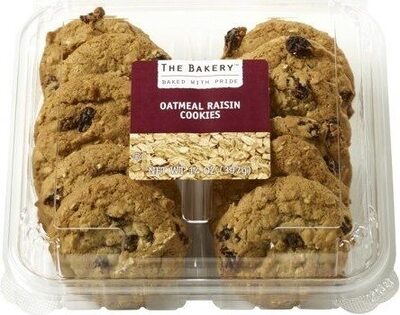 Wal-Mart Stores, Inc.
Oatmeal Raisin Cookies, Oatmeal Raisin
400kcal
5Protein
15Fat
60Carbs
AdvancePierre Foods Inc.
Scallop & Lobster Stuffing Breaded Raw Stuffed Chicken Breasts With Rib Meat, Scallop & Lobster Stuffing
High in sodium — 26% DV per serving
High in cholesterol — 20% DV per serving
186kcal
14.3Protein
7.9Fat
14.3Carbs
Boomerang's Foods, Inc.
Steak & Potato All Natural Steak And Potatoes Mixed With A Beef Gravy In A Puff Pastry Pie, Steak & Potato
High in sodium — 33% DV per serving
High in saturated fat — 23% DV per serving
229kcal
5.9Protein
5.9Fat
30Carbs
Wal-Mart Stores, Inc.
Oatmeal Raisin Cookies, Oatmeal Raisin
400kcal
5Protein
15Fat
60Carbs
AdvancePierre Foods Inc.
Scallop & Lobster Stuffing Breaded Raw Stuffed Chicken Breasts With Rib Meat, Scallop & Lobster Stuffing
High in sodium — 26% DV per serving
High in cholesterol — 20% DV per serving
186kcal
14.3Protein
7.9Fat
14.3Carbs
Boomerang's Foods, Inc.
Steak & Potato All Natural Steak And Potatoes Mixed With A Beef Gravy In A Puff Pastry Pie, Steak & Potato
High in sodium — 33% DV per serving
High in saturated fat — 23% DV per serving
229kcal
5.9Protein
5.9Fat
30Carbs