Antioxidant
Auto-generated content. This description was generated automatically and is pending editorial review. Inaccuracies are possible. Found a mistake? Contact us.
What it is
Antioxidants are substances that help protect cells from damage caused by unstable molecules called free radicals. They work by slowing or preventing oxidation, a chemical reaction that can produce free radicals and harm cells. Antioxidants can be naturally found in many foods, like fruits and vegetables, or they can be made synthetically.
Why it's used
In food, antioxidants are added to prevent spoilage, maintain freshness, and extend shelf life. They stop fats and oils from becoming rancid, prevent color changes, and protect the flavor of foods. They are commonly found in products like baked goods, snack foods, oils, processed meats, and beverages.
Health notes
Antioxidant is a broad term for many different substances, each with its own regulatory status. In the US, specific antioxidants are either approved as food additives by the FDA or are generally recognized as safe (GRAS). Regulatory bodies like JECFA and EFSA have evaluated many individual antioxidants and generally consider them safe at permitted levels of intake. While some synthetic antioxidants, like BHA and BHT, have been the subject of public discussion regarding their safety, scientific reviews by these bodies have generally concluded they are safe when used as allowed.
Allergen info
Antioxidant is a functional description, not a specific ingredient. While some specific antioxidants might be derived from major allergens (e.g., tocopherols from soy), the term "antioxidant" itself is not a major allergen.
Products containing Antioxidant
Compare products →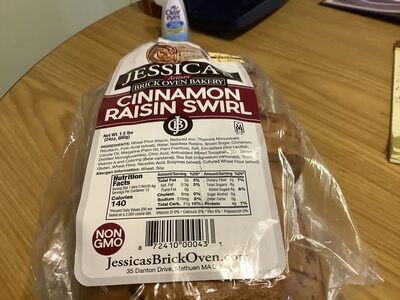 JESSICA'S BRICK OVEN
Jessica's Brick Oven, Cinnamon Raisin Brioche
328kcal
5.5Protein
8.2Fat
54.6Carbs
FARMER'S HEART
Linguine
High in sodium — 50% DV per serving
High in saturated fat — 45% DV per serving
433kcal
8.9Protein
17.8Fat
58.9Carbs
JESSICA'S BRICK OVEN
Jessica's Brick Oven, Cinnamon Raisin Brioche
328kcal
5.5Protein
8.2Fat
54.6Carbs
FARMER'S HEART
Linguine
High in sodium — 50% DV per serving
High in saturated fat — 45% DV per serving
433kcal
8.9Protein
17.8Fat
58.9Carbs
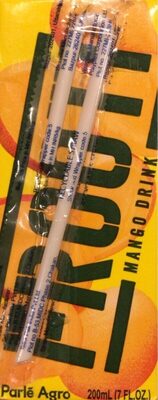 PARLE INTERNATIONAL
Frooti, Mango Drink
65kcal
0Protein
0Fat
16Carbs
PARLE INTERNATIONAL
Frooti, Mango Drink
65kcal
0Protein
0Fat
16Carbs