Marinade
What is Marinade?
Marinade is a liquid mixture used to soak foods, typically meat, poultry, or fish, before cooking. It is usually made from a combination of oil, an acid (like vinegar or citrus juice), and seasonings, herbs, and spices. The purpose of marinating is to add flavor and tenderize the food.
Is Marinade a major allergen?
Marinades are not a major allergen themselves, but they can contain ingredients derived from major allergens like soy (soy sauce), wheat (soy sauce), or fish.
What is Marinade used for?
Manufacturers use marinades to enhance the taste and texture of foods.
Is Marinade safe?
Marinades are generally considered safe when used as intended.
Why it's used
Manufacturers use marinades to enhance the taste and texture of foods. The acidic components help to break down proteins, making the food more tender, while the oil and seasonings infuse it with flavor. Marinades are commonly found in prepared meats, poultry, seafood, and some vegetarian dishes.
Health notes
Marinades are generally considered safe when used as intended. The FDA does not specifically regulate marinades as a single ingredient but oversees the safety of their components. Health effects are typically related to the ingredients within the marinade, such as sodium content or added sugars. Regulatory bodies like JECFA have evaluated many common marinade ingredients.
Allergen info
Marinades are not a major allergen themselves, but they can contain ingredients derived from major allergens like soy (soy sauce), wheat (soy sauce), or fish. Always check the ingredient list for specific allergen information.
Foods that contain Marinade
Compare products →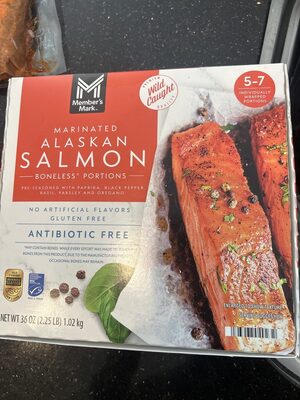
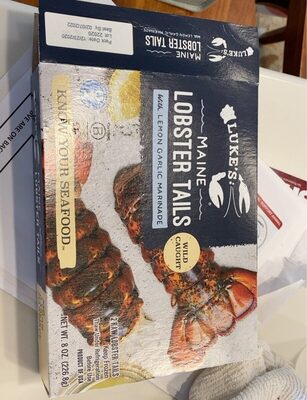
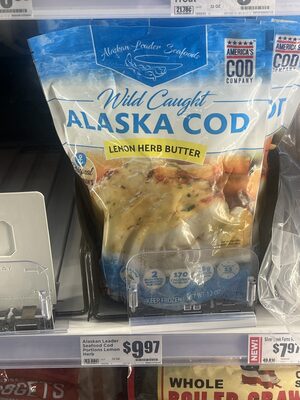
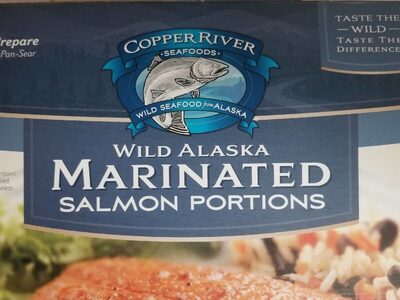


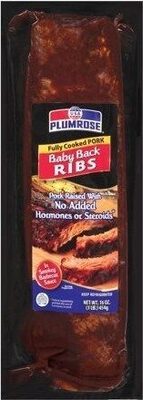
Learn more
Auto-generated content. This description was generated automatically and is pending editorial review. Inaccuracies are possible. Found a mistake? Contact us.