Marine Oil
What is Marine Oil?
Marine oil is a type of oil derived from fish or other marine animals. It is typically extracted from fatty fish like salmon, mackerel, or sardines, or from other marine sources. The extraction process often involves rendering or pressing the marine material to separate the oil.
Is Marine Oil vegan?
No. Marine Oil is animal-derived, so it is not vegan.
Is Marine Oil a major allergen?
Marine oil is derived from fish, which is one of the 9 major allergens recognized by the FDA.
What is Marine Oil used for?
Marine oil is primarily used as a source of omega-3 fatty acids, particularly EPA and DHA.
Is Marine Oil safe?
Marine oil is generally recognized as safe (GRAS) by the FDA for use in food.
Why it's used
Marine oil is primarily used as a source of omega-3 fatty acids, particularly EPA and DHA. It is added to foods to enhance their nutritional profile, offering potential health benefits associated with these fatty acids. It can be found in fortified foods such as bread, dairy products, and some beverages.
Health notes
Marine oil is generally recognized as safe (GRAS) by the FDA for use in food. It is a source of omega-3 fatty acids, which are essential fats that play a role in various bodily functions. While generally considered beneficial, high intakes of fish oil supplements have been linked to blood thinning. Regulatory bodies like EFSA have evaluated omega-3 fatty acids, recognizing their importance for health. The FDA has not set a specific upper intake level for omega-3s from food sources.
Allergen info
Marine oil is derived from fish, which is one of the 9 major allergens recognized by the FDA. Individuals with fish allergies should avoid products containing marine oil.
Foods that contain Marine Oil
Compare products →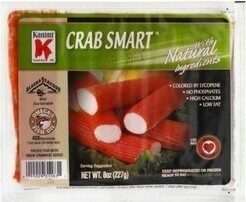 Shining Ocean, Inc.
Crab Smart Surimi Seafood Sticks, Crab
106kcal
9.4Protein
2.4Fat
12.9Carbs
Shining Ocean, Inc.
Premium Surimi Seafood Flakes, Crab
106kcal
9.4Protein
2.4Fat
12.9Carbs
Wegmans Food Markets, Inc.
Whole Wheat Multigrain Mini Bagels, Whole Wheat Multigrain
250kcal
10.9Protein
2.7Fat
51.6Carbs
Shining Ocean, Inc.
Crab Smart Surimi Seafood Sticks, Crab
106kcal
9.4Protein
2.4Fat
12.9Carbs
Shining Ocean, Inc.
Premium Surimi Seafood Flakes, Crab
106kcal
9.4Protein
2.4Fat
12.9Carbs
Wegmans Food Markets, Inc.
Whole Wheat Multigrain Mini Bagels, Whole Wheat Multigrain
250kcal
10.9Protein
2.7Fat
51.6Carbs
Learn more
Auto-generated content. This description was generated automatically and is pending editorial review. Inaccuracies are possible. Found a mistake? Contact us.