Mechanically Separated Chicken Water
What is Mechanically Separated Chicken Water?
Mechanically separated chicken (MSC) is a paste-like, processed poultry product made from chicken carcasses after the prime cuts have been removed. It is produced by forcing the bones, skin, and remaining meat through a sieve or grinder under high pressure. This process separates the edible tissue from the bones and skin.
Is Mechanically Separated Chicken Water vegan?
No. Mechanically Separated Chicken Water is animal-derived, so it is not vegan.
Is Mechanically Separated Chicken Water a major allergen?
Not a major allergen.
What is Mechanically Separated Chicken Water used for?
MSC is often used as a lower-cost ingredient in processed meat products.
Is Mechanically Separated Chicken Water safe?
In the US, mechanically separated chicken is permitted for use in food.
Why it's used
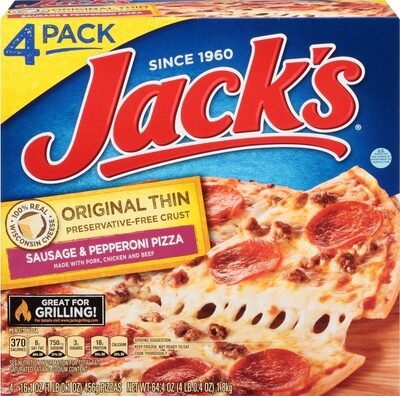
MSC is often used as a lower-cost ingredient in processed meat products. It can serve as a binder and add moisture and texture. Common uses include hot dogs, sausages, and some frozen pizzas.
Health notes
In the US, mechanically separated chicken is permitted for use in food. The FDA regulates its production to ensure safety. While it is a source of protein, its nutritional profile can vary depending on the amount of bone and skin included. JECFA and EFSA have evaluated similar processed meat products, but specific evaluations for MSC may vary.
Allergen info
Not a major allergen.
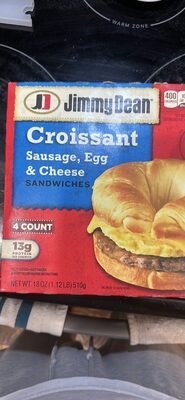
Foods that contain Mechanically Separated Chicken Water
Compare products →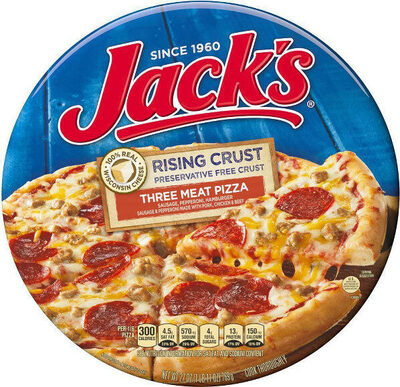
Learn more
Auto-generated content. This description was generated automatically and is pending editorial review. Inaccuracies are possible. Found a mistake? Contact us.