Mechanically Separated Chicken With Skin
What is Mechanically Separated Chicken With Skin?
Mechanically separated chicken with skin is a paste-like poultry product made by removing meat and skin from chicken carcasses using a mechanical process. This process separates bone, connective tissue, and fat from the edible parts of the chicken.
Is Mechanically Separated Chicken With Skin vegan?
No. Mechanically Separated Chicken With Skin is animal-derived, so it is not vegan.
Is Mechanically Separated Chicken With Skin a major allergen?
Not a major allergen.
What is Mechanically Separated Chicken With Skin used for?
Manufacturers add mechanically separated chicken with skin to processed meat products like sausages and hot dogs.
Is Mechanically Separated Chicken With Skin safe?
Mechanically separated chicken with skin is permitted for use in processed poultry products by the FDA.
Why it's used
Manufacturers add mechanically separated chicken with skin to processed meat products like sausages and hot dogs. It is used as a cost-effective way to add bulk and texture to these foods.
Health notes
Mechanically separated chicken with skin is permitted for use in processed poultry products by the FDA. It is considered a source of protein. While it is a processed ingredient, there are no specific health concerns associated with its consumption at typical levels found in processed foods.
Allergen info
Not a major allergen.
Foods that contain Mechanically Separated Chicken With Skin
Compare products →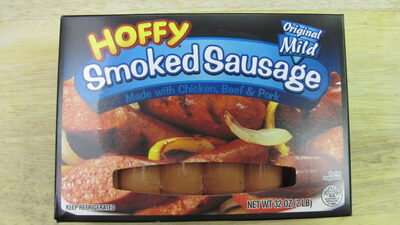 Square-H Brands, Inc.
Smoked Sausage
High in sodium — 27% DV per serving
214kcal
14.3Protein
16.1Fat
5.4Carbs
Square-H Brands, Inc.
Smoked Sausage
High in sodium — 27% DV per serving
214kcal
14.3Protein
16.1Fat
5.4Carbs
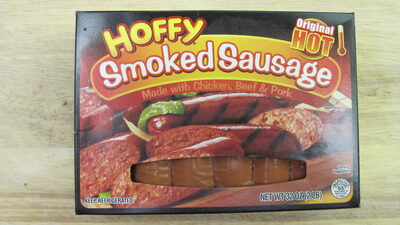 Square-H Brands, Inc.
Smoked Sausage , Original Hot
High in sodium — 21% DV per serving
232kcal
14.3Protein
16.1Fat
5.4Carbs
Square-H Brands, Inc.
Louisiana Style Naturally Smoked Sausage In A Colored Casing, Red Hot
232kcal
14.3Protein
16.1Fat
7.1Carbs
Square-H Brands, Inc.
Smoked Sausage , Original Hot
High in sodium — 21% DV per serving
232kcal
14.3Protein
16.1Fat
5.4Carbs
Square-H Brands, Inc.
Louisiana Style Naturally Smoked Sausage In A Colored Casing, Red Hot
232kcal
14.3Protein
16.1Fat
7.1Carbs
Learn more
Auto-generated content. This description was generated automatically and is pending editorial review. Inaccuracies are possible. Found a mistake? Contact us.