Methylcobalamin
What is Methylcobalamin?
Methylcobalamin is a form of vitamin B12. Vitamin B12 is naturally found in animal products and is essential for nerve function and the formation of DNA and red blood cells. It is produced industrially through bacterial fermentation.
Is Methylcobalamin vegan?
Methylcobalamin is not animal-derived. Products that contain it can still include other animal-derived ingredients, so check the full ingredient list.
Is Methylcobalamin gluten-free?
Methylcobalamin is not one of the FDA's 9 major allergens and does not contain gluten.
What is Methylcobalamin used for?
Methylcobalamin is added to foods as a nutrient to fortify them with vitamin B12.
Is Methylcobalamin safe?
Methylcobalamin is generally recognized as safe (GRAS) by the FDA when used as a nutrient.
Why it's used
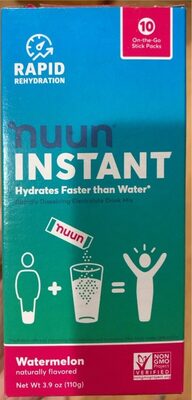
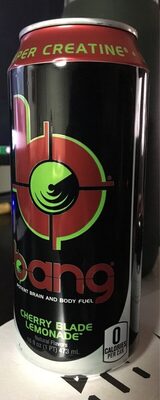
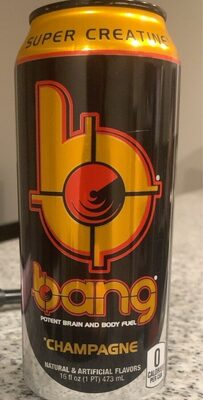
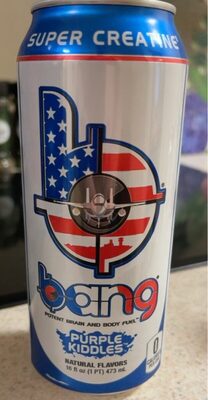
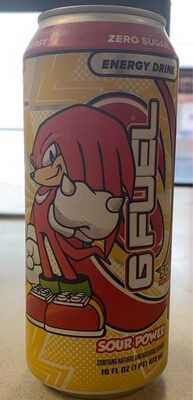
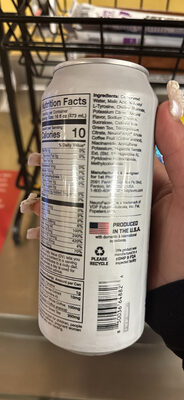
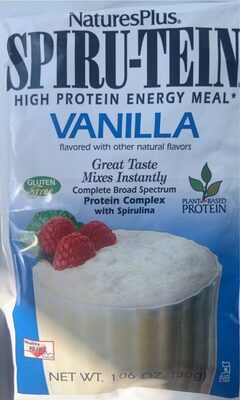
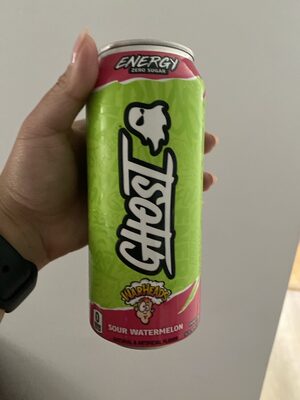
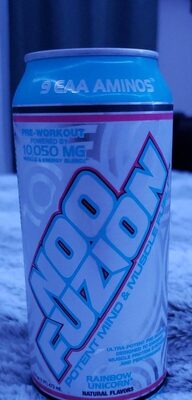
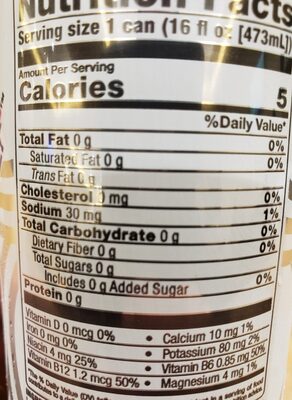
Methylcobalamin is added to foods as a nutrient to fortify them with vitamin B12. It is commonly found in energy drinks, specialty supplements, and plant-based beverages that aim to provide a source of this essential vitamin.
Health notes
Methylcobalamin is generally recognized as safe (GRAS) by the FDA when used as a nutrient. JECFA has evaluated vitamin B12 and established an acceptable daily intake. At typical intake levels found in fortified foods, it is considered safe and beneficial for maintaining adequate vitamin B12 levels. There is no widespread controversy regarding its use in food.
Allergen info
Methylcobalamin is not one of the FDA's 9 major allergens and does not contain gluten.
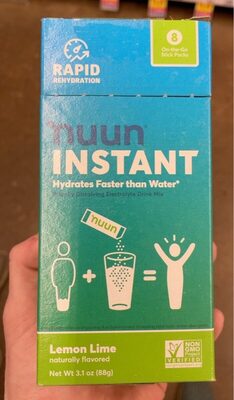
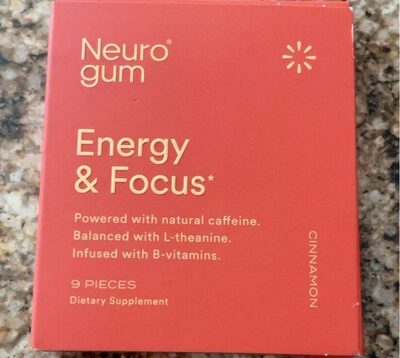
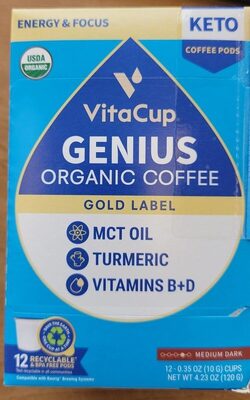
Foods that contain Methylcobalamin
Compare products →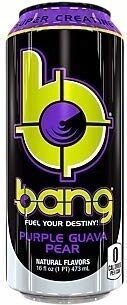
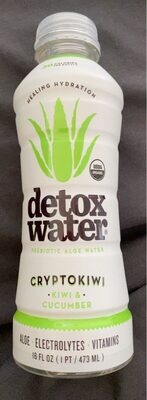 Detox Water
Cryptokiwi Kiwi & Cucumber Prebiotic Aloe Water, Cryptokiwi
6kcal
0Protein
0Fat
1.9Carbs
Learn more
Auto-generated content. This description was generated automatically and is pending editorial review. Inaccuracies are possible. Found a mistake? Contact us.