Microbial Coagulant
What is Microbial Coagulant?
Microbial coagulants are enzymes derived from microorganisms, such as fungi or bacteria. They are produced through fermentation processes and are used as alternatives to animal-derived rennet in cheesemaking.
Is Microbial Coagulant vegan?
Microbial Coagulant is not animal-derived. Products that contain it can still include other animal-derived ingredients, so check the full ingredient list.
Is Microbial Coagulant gluten-free?
They do not contain gluten.
Is Microbial Coagulant a major allergen?
Microbial coagulants are not derived from any of the nine FDA major allergens.
What is Microbial Coagulant used for?
These enzymes help to coagulate milk proteins, which is a crucial step in cheese production.
Is Microbial Coagulant safe?
Microbial coagulants are generally recognized as safe (GRAS) by the FDA for use in food.
Why it's used
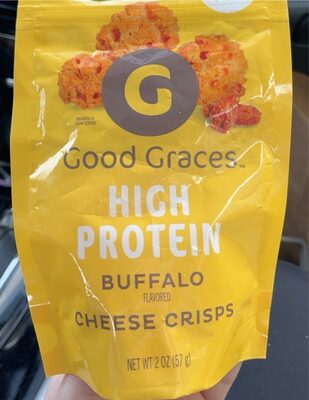
These enzymes help to coagulate milk proteins, which is a crucial step in cheese production. They are commonly found in various cheese products and some crackers and snacks where cheese is an ingredient.
Health notes
Microbial coagulants are generally recognized as safe (GRAS) by the FDA for use in food. Regulatory bodies like JECFA and EFSA have evaluated coagulants, and they are widely used globally. Evidence does not suggest adverse health effects from typical consumption levels.
Allergen info
Microbial coagulants are not derived from any of the nine FDA major allergens. They do not contain gluten.
Foods that contain Microbial Coagulant
Compare products →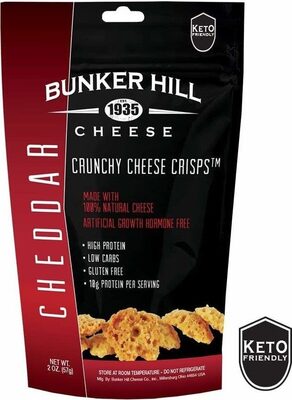
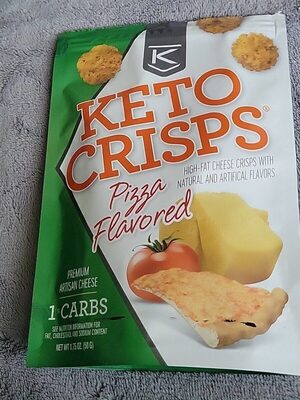
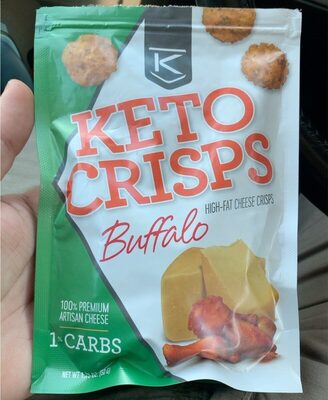
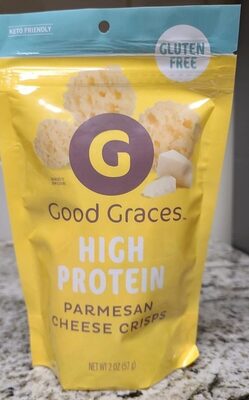
Learn more
Auto-generated content. This description was generated automatically and is pending editorial review. Inaccuracies are possible. Found a mistake? Contact us.