Microencapsulated Malic Acid
What is Microencapsulated Malic Acid?
Microencapsulated malic acid is a form of malic acid that has been coated with a protective layer, often made from edible fats or waxes. This coating slows down the release of the malic acid. Malic acid is a naturally occurring organic acid found in fruits like apples.
Is Microencapsulated Malic Acid vegan?
Microencapsulated Malic Acid is not animal-derived. Products that contain it can still include other animal-derived ingredients, so check the full ingredient list.
Is Microencapsulated Malic Acid gluten-free?
It does not contain gluten.
Is Microencapsulated Malic Acid a major allergen?
Malic acid is not derived from any of the FDA's major allergens.
What is Microencapsulated Malic Acid used for?
The coating allows for a delayed sour taste, making it useful in candies and confectionery for a "sour burst" effect.
Is Microencapsulated Malic Acid safe?
Malic acid is generally recognized as safe (GRAS) by the FDA for use as a food additive.
Why it's used
The coating allows for a delayed sour taste, making it useful in candies and confectionery for a "sour burst" effect. It's added to provide tartness and enhance fruit flavors in a controlled way. It is most often found in sour candies.
Health notes
Malic acid is generally recognized as safe (GRAS) by the FDA for use as a food additive. It is a common component of the human diet through fruits. International bodies like JECFA have evaluated malic acid, and EFSA has also assessed its safety. At typical consumption levels found in food, it is not associated with adverse health effects.
Allergen info
Malic acid is not derived from any of the FDA's major allergens. It does not contain gluten.
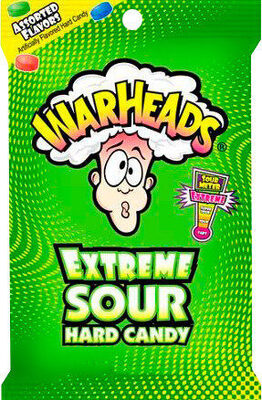
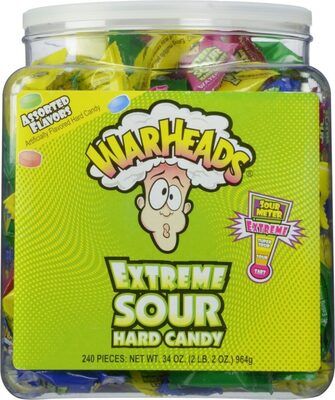
Foods that contain Microencapsulated Malic Acid
Compare products →





Auto-generated content. This description was generated automatically and is pending editorial review. Inaccuracies are possible. Found a mistake? Contact us.