Microfiltered Whey
What is Microfiltered Whey?
Microfiltered whey is a protein-rich byproduct of cheesemaking. It is produced by filtering milk to separate the liquid whey from the solid curds. The microfiltration process further refines the whey, concentrating its protein content while removing most of the fat and lactose.
Is Microfiltered Whey vegan?
No. Microfiltered Whey is animal-derived, so it is not vegan.
Is Microfiltered Whey gluten-free?
It does not contain gluten.
Is Microfiltered Whey a major allergen?
Microfiltered whey is derived from milk, which is one of the 9 FDA major allergens.
What is Microfiltered Whey used for?
Manufacturers add microfiltered whey to foods primarily as a protein source and for its emulsifying properties.
Is Microfiltered Whey safe?
Microfiltered whey is generally recognized as safe (GRAS) by the FDA for use in food.
Why it's used
Manufacturers add microfiltered whey to foods primarily as a protein source and for its emulsifying properties. It helps improve texture and stability in products like protein powders, nutritional supplements, and some baked goods. It is often found in meal replacement supplements and protein bars.
Health notes
Microfiltered whey is generally recognized as safe (GRAS) by the FDA for use in food. It is a source of high-quality protein, which is essential for muscle repair and growth. International bodies like JECFA have evaluated whey proteins, and they are widely consumed without significant health concerns at typical intake levels. While generally safe, individuals with lactose intolerance may need to consume products with lower lactose content.
Allergen info
Microfiltered whey is derived from milk, which is one of the 9 FDA major allergens. It does not contain gluten.
Foods that contain Microfiltered Whey
Compare products →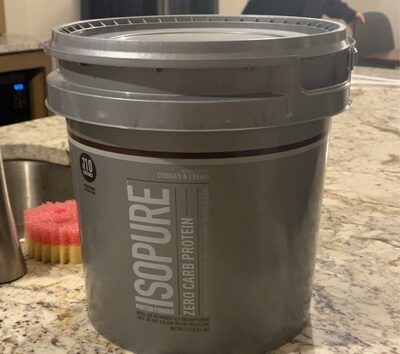 Glanbia Performance Nutrition, Inc.
Cookies & Cream Protein Powder, Cookies & Cream
344kcal
82.0Protein
0Fat
0Carbs
Glanbia Performance Nutrition, Inc.
Cookies & Cream Protein Powder, Cookies & Cream
344kcal
82.0Protein
0Fat
0Carbs
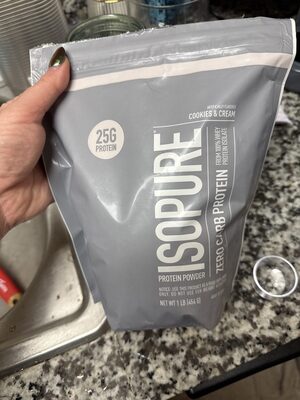 Glanbia Performance Nutrition, Inc.
Isopure Protein Powder
344kcal
82.0Protein
1.6Fat
0Carbs
Vukoo, LLC
Vukoo, Chocolate Bar, Organic Dark Chocolate, Almonds & Organic Coconut, Organic Dark Chocolate, Almonds & Organic Coconut
High in saturated fat — 20% DV per serving
365kcal
22.4Protein
10.6Fat
44.7Carbs
Vukoo, LLC
Vukoo, Organic Coconut & Toasted Carob
341kcal
22.4Protein
5.9Fat
47.1Carbs
Glanbia Performance Nutrition, Inc.
Isopure Protein Powder
344kcal
82.0Protein
1.6Fat
0Carbs
Vukoo, LLC
Vukoo, Chocolate Bar, Organic Dark Chocolate, Almonds & Organic Coconut, Organic Dark Chocolate, Almonds & Organic Coconut
High in saturated fat — 20% DV per serving
365kcal
22.4Protein
10.6Fat
44.7Carbs
Vukoo, LLC
Vukoo, Organic Coconut & Toasted Carob
341kcal
22.4Protein
5.9Fat
47.1Carbs
Learn more
Auto-generated content. This description was generated automatically and is pending editorial review. Inaccuracies are possible. Found a mistake? Contact us.