Microgard
What is Microgard?
Microgard is a natural food ingredient derived from the cell walls of baker's yeast (Saccharomyces cerevisiae). It is a beta-glucan-rich product that is processed to isolate and purify these specific components.
Is Microgard vegan?
Microgard is not animal-derived. Products that contain it can still include other animal-derived ingredients, so check the full ingredient list.
Is Microgard gluten-free?
It does not contain gluten.
Is Microgard a major allergen?
Microgard is derived from yeast and is not one of the nine FDA major allergens.
What is Microgard used for?
Manufacturers add Microgard to foods for its potential health benefits, particularly its immune-supportive properties.
Is Microgard safe?
Microgard is generally recognized as safe (GRAS) by the FDA for use in food.
Why it's used
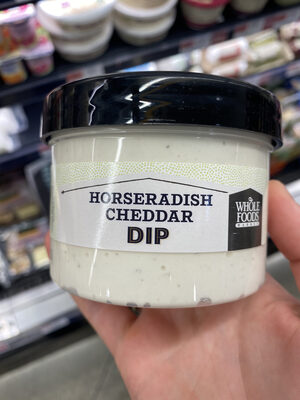
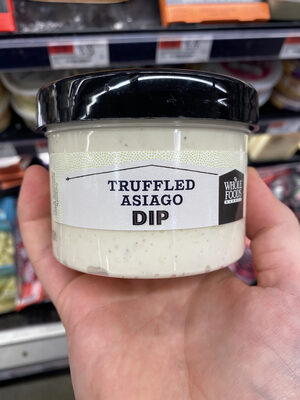
Manufacturers add Microgard to foods for its potential health benefits, particularly its immune-supportive properties. It is often found in dairy products like cheese and dips, as well as fruit spreads and jams.
Health notes
Microgard is generally recognized as safe (GRAS) by the FDA for use in food. Beta-glucans, the main component of Microgard, have been studied for their effects on the immune system and cholesterol levels. Regulatory bodies like EFSA have evaluated beta-glucans, and JECFA has also evaluated yeast beta-glucans. Research on these compounds is ongoing, with some studies suggesting benefits at typical dietary intakes.
Allergen info
Microgard is derived from yeast and is not one of the nine FDA major allergens. It does not contain gluten.
Foods that contain Microgard
Compare products →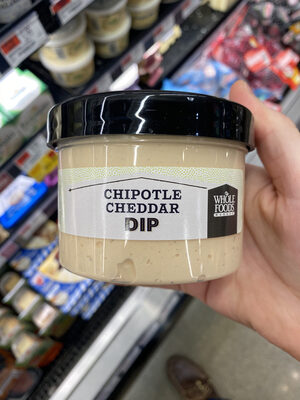
Auto-generated content. This description was generated automatically and is pending editorial review. Inaccuracies are possible. Found a mistake? Contact us.