Milk Chocolate Filling
What is Milk Chocolate Filling?
Milk chocolate filling is a sweet, creamy mixture primarily made from cocoa solids, sugar, and milk solids. It often includes added fats like vegetable oil or cocoa butter for texture and stability. The filling is used to add a rich chocolate flavor and smooth consistency to various food products.
Is Milk Chocolate Filling vegan?
No. Milk Chocolate Filling is animal-derived, so it is not vegan.
Is Milk Chocolate Filling gluten-free?
It does not contain gluten.
Is Milk Chocolate Filling a major allergen?
Milk chocolate filling is derived from milk, which is one of the 9 FDA major allergens.
What is Milk Chocolate Filling used for?
Manufacturers use milk chocolate filling to provide a desirable chocolate taste and a soft, melt-in-your-mouth texture.
Is Milk Chocolate Filling safe?
Milk chocolate filling is generally recognized as safe (GRAS) by the FDA when used as intended.
Why it's used
Manufacturers use milk chocolate filling to provide a desirable chocolate taste and a soft, melt-in-your-mouth texture. It's commonly found in baked goods like cookies, cakes, and pastries, as well as in candies, bars, and ice cream.
Health notes
Milk chocolate filling is generally recognized as safe (GRAS) by the FDA when used as intended. It is a source of sugar and fat, and high consumption of added sugars and saturated fats is linked to increased risk of chronic diseases. Regulatory bodies like JECFA and EFSA have evaluated the components of milk chocolate, such as sugar and cocoa, but do not set specific limits for combined ingredients like this filling. Excessive intake may contribute to weight gain and related health issues.
Allergen info
Milk chocolate filling is derived from milk, which is one of the 9 FDA major allergens. It does not contain gluten.
Foods that contain Milk Chocolate Filling
Compare products →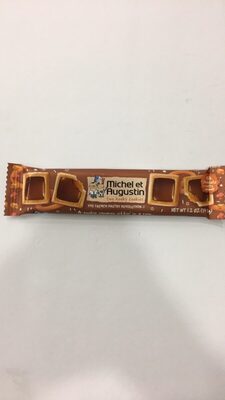 Ridgid Products
Milk Chocolate And Melty Caramel Two Kooky Cookies, Milk Chocolate And Melty Caramel
High in saturated fat — 25% DV per serving
High in added sugars — 26% DV per serving
500kcal
5.9Protein
20.6Fat
67.7Carbs
Ridgid Products
Milk Chocolate And Melty Caramel Two Kooky Cookies, Milk Chocolate And Melty Caramel
High in saturated fat — 25% DV per serving
High in added sugars — 26% DV per serving
500kcal
5.9Protein
20.6Fat
67.7Carbs
 Ridgid Products
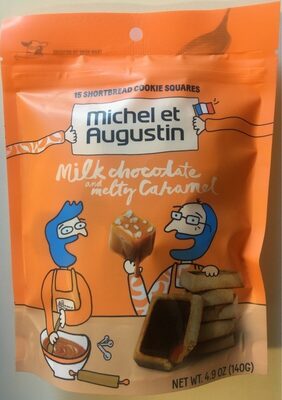
Milk Chocolate And Melty Caramel Shortbread Cookie Squares, Milk Chocolate And Melty Caramel
High in saturated fat — 20% DV per serving
High in added sugars — 20% DV per serving
500kcal
7.1Protein
21.4Fat
67.9Carbs
LILY O'BRIEN'S CHOCOLATES
Lily O'Brien's, Desserts Collection Contains 18 Chococlates
High in saturated fat — 35% DV per serving
526kcal
5.3Protein
31.6Fat
57.9Carbs
Target Stores
Ganache Cookie Assortment, Ganache
High in saturated fat — 30% DV per serving
514kcal
5.7Protein
28.6Fat
62.9Carbs
Ridgid Products
Milk Chocolate And Melty Caramel Shortbread Cookie Squares, Milk Chocolate And Melty Caramel
High in saturated fat — 20% DV per serving
High in added sugars — 20% DV per serving
500kcal
7.1Protein
21.4Fat
67.9Carbs
LILY O'BRIEN'S CHOCOLATES
Lily O'Brien's, Desserts Collection Contains 18 Chococlates
High in saturated fat — 35% DV per serving
526kcal
5.3Protein
31.6Fat
57.9Carbs
Target Stores
Ganache Cookie Assortment, Ganache
High in saturated fat — 30% DV per serving
514kcal
5.7Protein
28.6Fat
62.9Carbs
Learn more
Auto-generated content. This description was generated automatically and is pending editorial review. Inaccuracies are possible. Found a mistake? Contact us.