Milk Confectionery Coating
Auto-generated content. This description was generated automatically and is pending editorial review. Inaccuracies are possible. Found a mistake? Contact us.
What it is
Milk confectionery coating is a type of compound coating used on various food products. Unlike true chocolate, it is made with vegetable fats instead of cocoa butter, combined with sugar, milk solids, and other ingredients to create a chocolate-like flavor and texture.
Why it's used
Manufacturers use milk confectionery coating to provide a smooth, sweet, and creamy layer for candies, snacks, and baked goods. It offers a cost-effective and easy-to-work-with alternative to chocolate, providing a protective and flavorful outer layer.
Health notes
Milk confectionery coating is a composite ingredient, and its individual components are regulated by the FDA. As with other foods high in sugar and fat, consuming large amounts may contribute to excessive calorie intake. The Dietary Guidelines for Americans recommend limiting intake of added sugars and saturated fats, which are typically present in confectionery coatings. Neither JECFA nor EFSA evaluate composite food products like confectionery coatings as a whole.
Allergen info
This coating contains milk, which is one of the nine major food allergens identified by the FDA.
Products containing Milk Confectionery Coating
Compare products →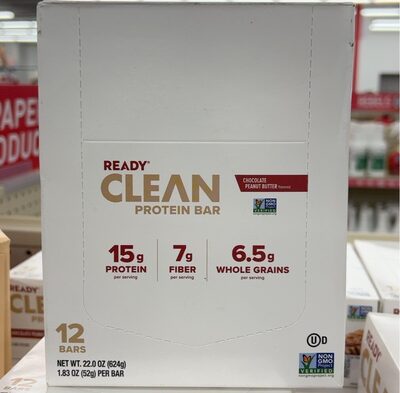 The Crons Brand
Chocolate Peanut Butter Bars, Chocolate Peanut Butter
385kcal
28.9Protein
13.5Fat
44.2Carbs
Taste of Nature, Inc.
The Original Marshmallow Sandwich, Chocolate
High in saturated fat — 40% DV per serving
475kcal
2.5Protein
25Fat
67.5Carbs
Taste of Nature, Inc.
The Original Marshmallow Sandwich Candy
500kcal
0Protein
28.6Fat
64.3Carbs
Taste of Nature, Inc.
Marshmallow Sandwich Bites
High in saturated fat — 40% DV per serving
475kcal
2.5Protein
25Fat
67.5Carbs
Taste of Nature, Inc.
Moon Pie Bites!, Marshmallow & Graham In Chocolatey Coating
High in saturated fat — 40% DV per serving
475kcal
2.5Protein
25Fat
67.5Carbs
The Crons Brand
Chocolate Peanut Butter Bars, Chocolate Peanut Butter
385kcal
28.9Protein
13.5Fat
44.2Carbs
Taste of Nature, Inc.
The Original Marshmallow Sandwich, Chocolate
High in saturated fat — 40% DV per serving
475kcal
2.5Protein
25Fat
67.5Carbs
Taste of Nature, Inc.
The Original Marshmallow Sandwich Candy
500kcal
0Protein
28.6Fat
64.3Carbs
Taste of Nature, Inc.
Marshmallow Sandwich Bites
High in saturated fat — 40% DV per serving
475kcal
2.5Protein
25Fat
67.5Carbs
Taste of Nature, Inc.
Moon Pie Bites!, Marshmallow & Graham In Chocolatey Coating
High in saturated fat — 40% DV per serving
475kcal
2.5Protein
25Fat
67.5Carbs