Milk Solids 18% Minimum
What is Milk Solids 18% Minimum?
Milk solids are the non-fat components of milk, including proteins, lactose (milk sugar), and minerals. They are produced by removing water from milk, often through evaporation and drying processes. The "18% Minimum" likely refers to the minimum percentage of milk fat in the original milk used, or a specific formulation of milk solids.
Is Milk Solids 18% Minimum vegan?
No. Milk Solids 18% Minimum is animal-derived, so it is not vegan.
Is Milk Solids 18% Minimum a major allergen?
Milk is one of the 9 major allergens identified by the FDA.
What is Milk Solids 18% Minimum used for?
Manufacturers add milk solids to provide a creamy texture, enhance flavor, and contribute to browning in baked goods.
Is Milk Solids 18% Minimum safe?
Milk solids are a natural component of milk and are generally recognized as safe (GRAS) by the FDA when used as food ingredients.
Why it's used
Manufacturers add milk solids to provide a creamy texture, enhance flavor, and contribute to browning in baked goods. They are commonly found in confectionery, baked goods, dairy products, and processed foods where a rich, milky taste and smooth mouthfeel are desired.
Health notes
Milk solids are a natural component of milk and are generally recognized as safe (GRAS) by the FDA when used as food ingredients. They are a source of protein, calcium, and other nutrients. Regulatory bodies like JECFA and EFSA have evaluated milk and its components. No specific controversies are associated with milk solids when consumed as part of a typical diet.
Allergen info
Milk is one of the 9 major allergens identified by the FDA. Therefore, milk solids are considered a major allergen.
Foods that contain Milk Solids 18% Minimum
Compare products →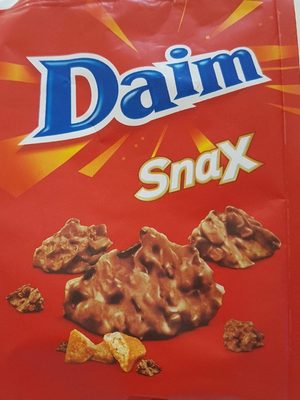 Daim Chocolate Pieces Milk With Caramel
High in saturated fat — 75% DV per serving
—kcal
5.3Protein
26.5Fat
63.7Carbs
Daim Chocolate Pieces Milk With Caramel
High in saturated fat — 75% DV per serving
—kcal
5.3Protein
26.5Fat
63.7Carbs
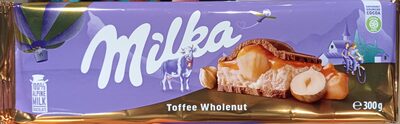 Milka Chocolate Tablet Milk With Hazelnuts And Toffee
High in saturated fat — 90% DV per serving
560kcal
5.8Protein
36Fat
—Carbs
Milka Chocolate Tablet Milk With Hazelnuts And Toffee
High in saturated fat — 90% DV per serving
560kcal
5.8Protein
36Fat
—Carbs
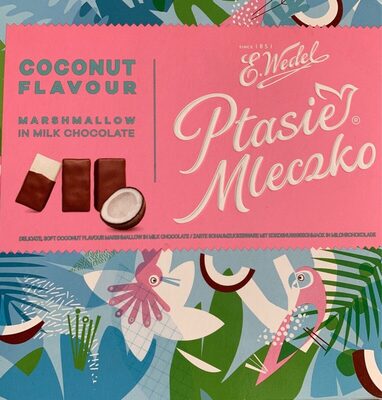 LOTTE WEDEL SP. Z O.O.
Original Milk Chocolate Covered Coconut Flavour Marshmallow, Milk Chocolate, Coconut
High in saturated fat — 22% DV per serving
438kcal
3.1Protein
21.9Fat
59.4Carbs
Milka Naps Chocolate Pieces Milk
High in saturated fat — 88% DV per serving
—kcal
6.4Protein
29.5Fat
—Carbs
LOTTE WEDEL SP. Z O.O.
Original Milk Chocolate Covered Coconut Flavour Marshmallow, Milk Chocolate, Coconut
High in saturated fat — 22% DV per serving
438kcal
3.1Protein
21.9Fat
59.4Carbs
Milka Naps Chocolate Pieces Milk
High in saturated fat — 88% DV per serving
—kcal
6.4Protein
29.5Fat
—Carbs
Learn more
Auto-generated content. This description was generated automatically and is pending editorial review. Inaccuracies are possible. Found a mistake? Contact us.