Milk Thistle
Auto-generated content. This description was generated automatically and is pending editorial review. Inaccuracies are possible. Found a mistake? Contact us.
What it is
Milk thistle is a flowering plant native to the Mediterranean region. Its seeds contain a compound called silymarin, which is extracted for use in supplements and sometimes in food products. The extraction process typically involves grinding the seeds and using solvents to isolate the active compounds.
Why it's used
Milk thistle is most often added to teas and beverages, where it is valued for its perceived health benefits rather than a specific functional role like sweetening or preserving. It is sometimes included in energy drinks or other functional foods marketed for wellness.
Health notes
Milk thistle extract, primarily silymarin, is generally recognized as safe (GRAS) by the FDA for use as a dietary ingredient. It is not typically regulated as a food additive. Regulatory bodies like EFSA have evaluated silymarin, but no specific ADI has been set. Research into milk thistle's health effects is ongoing, with some studies suggesting potential benefits for liver health, while others show mixed results. It is not approved by the FDA to treat, cure, or prevent any disease.
Allergen info
Milk thistle is not derived from any of the nine FDA major allergens. It does not contain gluten.
Products containing Milk Thistle
Compare products →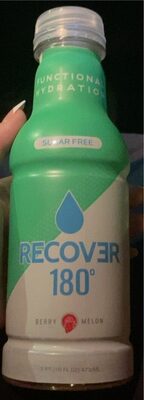 Recover Life Brands, LLC
Berry Lemon Recover 180, Berry Melon
2kcal
0Protein
0Fat
—Carbs
Recover Life Brands, LLC
Berry Lemon Recover 180, Berry Melon
2kcal
0Protein
0Fat
—Carbs
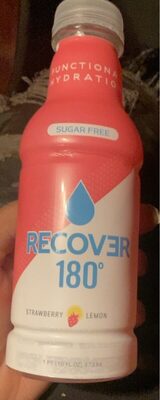 Recover Life Brands, LLC
Strawberry Lemon Flavor Sugar Free Drink, Strawberry Lemon
3kcal
0Protein
0Fat
0.2Carbs
Recover Life Brands, LLC
Strawberry Lemon Flavor Sugar Free Drink, Strawberry Lemon
3kcal
0Protein
0Fat
0.2Carbs