Amylase
What is Amylase?
Amylase is an enzyme that breaks down starch into sugars. It is naturally found in the saliva and digestive systems of humans and other animals, as well as in plants and microorganisms like yeast and bacteria. For food use, amylases are typically produced through fermentation using carefully selected strains of bacteria, yeast, or fungi.
Is Amylase a major allergen?
Amylase itself is not one of the nine major allergens.
What is Amylase used for?
Amylase is used in baking to improve dough handling and the texture of bread, making it softer and fresher for longer.
Is Amylase safe?
Amylase is generally recognized as safe (GRAS) by the FDA for use in food.
Why it's used
Amylase is used in baking to improve dough handling and the texture of bread, making it softer and fresher for longer. It helps break down starches in flour, which can contribute to crust color and crumb structure. It is commonly found in baked goods like breads, buns, and pastries.
Health notes
Amylase is generally recognized as safe (GRAS) by the FDA for use in food. As an enzyme, it is broken down during digestion and is not absorbed by the body. International bodies like JECFA and EFSA have evaluated amylase and its safety for consumption. No significant health concerns have been identified with its use in typical food amounts.
Allergen info
Amylase itself is not one of the nine major allergens. However, the microorganisms used to produce amylase might be grown on media containing allergens; manufacturers typically ensure the final product is free of allergen residues.
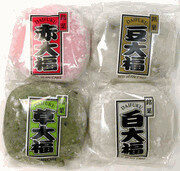
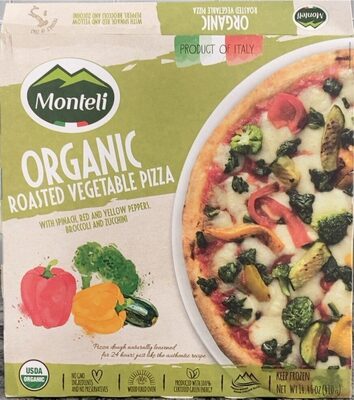
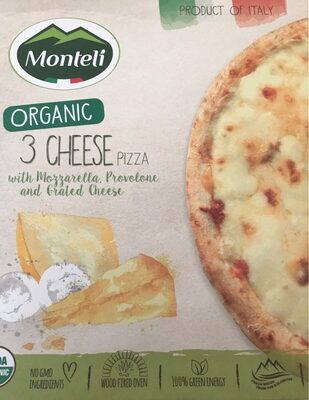
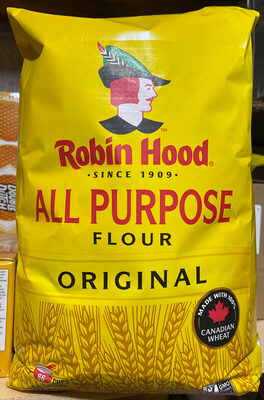
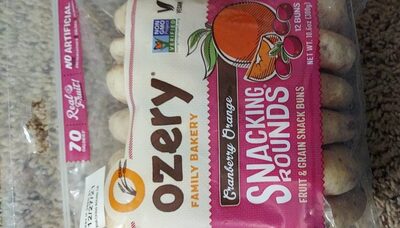
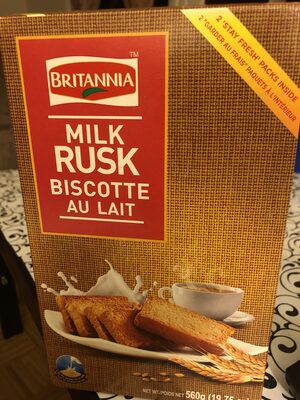
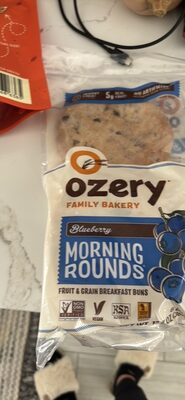
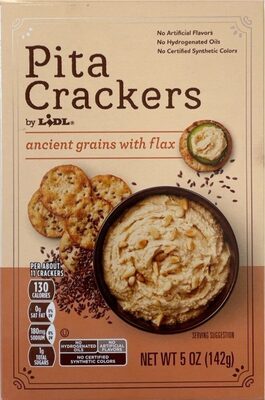
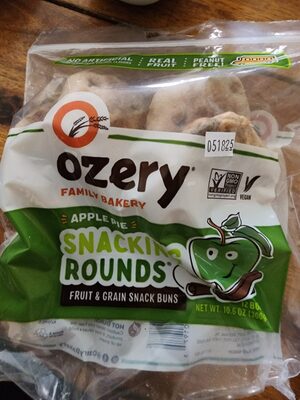
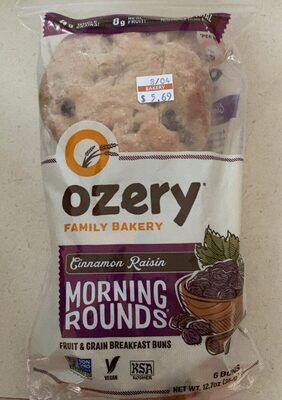
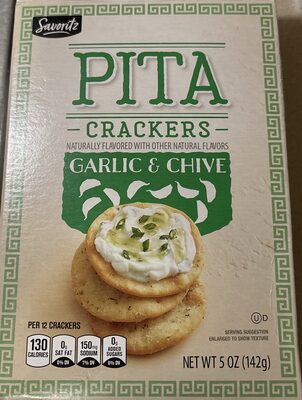
Foods that contain Amylase
Compare products →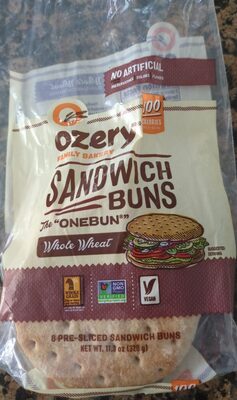
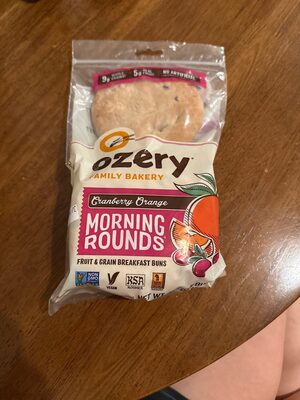

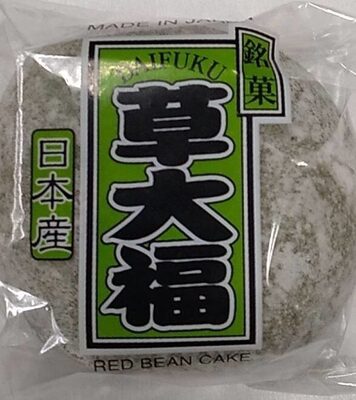
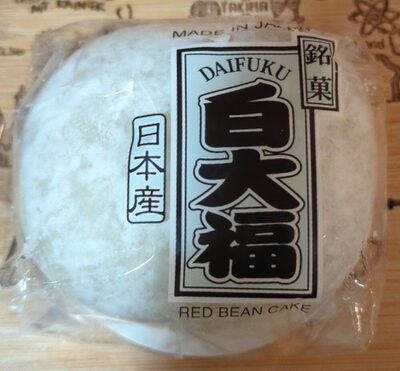




Auto-generated content. This description was generated automatically and is pending editorial review. Inaccuracies are possible. Found a mistake? Contact us.