Milk Vitamin D Added
Auto-generated content. This description was generated automatically and is pending editorial review. Inaccuracies are possible. Found a mistake? Contact us.
What it is
Vitamin D is a nutrient naturally found in some foods and made by the body when skin is exposed to sunlight. In milk, it is added to increase the milk's nutritional value. The vitamin D is typically added in a form that mixes well with milk, such as vitamin D3 (cholecalciferol) or vitamin D2 (ergocalciferol).
Why it's used
Vitamin D is added to milk and some dairy products to help consumers meet their daily requirement for this essential nutrient. It is often found in milk, yogurt, and some cheeses. Adding vitamin D helps support bone health by aiding the body's absorption of calcium.
Health notes
Vitamin D is considered a nutrient. The U.S. Food and Drug Administration (FDA) permits the addition of vitamin D to milk and certain other foods. The U.S. National Academies of Sciences, Engineering, and Medicine have established upper intake levels for vitamin D. JECFA and EFSA have also evaluated vitamin D. Adequate intake of vitamin D is important for bone health and immune function. Excessive intake can lead to health problems.
Allergen info
Milk is one of the 9 FDA major allergens. Vitamin D itself is not an allergen. Not applicable for gluten.
Products containing Milk Vitamin D Added
Compare products →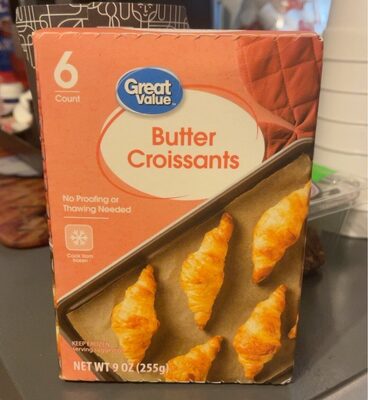 Wal-Mart Stores, Inc.
Butter Croissants, Butter
High in saturated fat — 30% DV per serving
372kcal
7.0Protein
23.3Fat
30.2Carbs
Wal-Mart Stores, Inc.
Butter Croissants, Butter
High in saturated fat — 30% DV per serving
372kcal
7.0Protein
23.3Fat
30.2Carbs
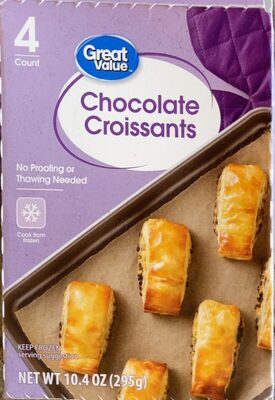 Wal-Mart Stores, Inc.
Chocolate Croissants, Chocolate
High in saturated fat — 40% DV per serving
311kcal
5.4Protein
17.6Fat
31.1Carbs
Wal-Mart Stores, Inc.
Stuffed Donut Bites, Chocolate Caramel With Peanuts
294kcal
5.9Protein
8.8Fat
50Carbs
Wal-Mart Stores, Inc.
Chocolate Croissants, Chocolate
High in saturated fat — 40% DV per serving
311kcal
5.4Protein
17.6Fat
31.1Carbs
Wal-Mart Stores, Inc.
Stuffed Donut Bites, Chocolate Caramel With Peanuts
294kcal
5.9Protein
8.8Fat
50Carbs