Milled Chia Seed
What is Milled Chia Seed?
Milled chia seed is made from the tiny seeds of the Salvia hispanica L. plant, which is native to Mexico and Guatemala. The seeds are ground into a fine powder, which makes their nutrients more accessible.
Is Milled Chia Seed vegan?
Milled Chia Seed is not animal-derived. Products that contain it can still include other animal-derived ingredients, so check the full ingredient list.
Is Milled Chia Seed gluten-free?
They do not contain gluten.
Is Milled Chia Seed a major allergen?
Chia seeds are not one of the nine major allergens identified by the FDA.
What is Milled Chia Seed used for?
Manufacturers add milled chia seed as a source of fiber, protein, and omega-3 fatty acids.
Is Milled Chia Seed safe?
Milled chia seed is generally recognized as safe (GRAS) by the FDA.
Why it's used
Manufacturers add milled chia seed as a source of fiber, protein, and omega-3 fatty acids. It can also act as a thickener or binder in foods like baked goods, smoothies, and energy bars.
Health notes
Milled chia seed is generally recognized as safe (GRAS) by the FDA. It is a good source of dietary fiber, which can support digestive health. The Joint FAO/WHO Expert Committee on Food Additives (JECFA) has evaluated chia seeds. Evidence suggests that chia seeds may help with satiety and blood sugar control when consumed as part of a balanced diet.
Allergen info
Chia seeds are not one of the nine major allergens identified by the FDA. They do not contain gluten.
Foods that contain Milled Chia Seed
Compare products →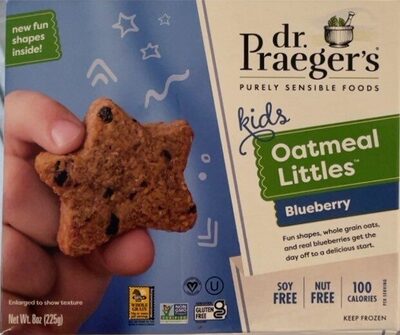
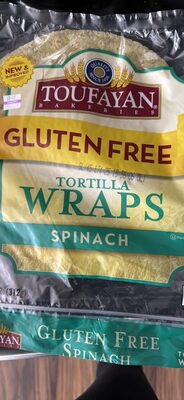
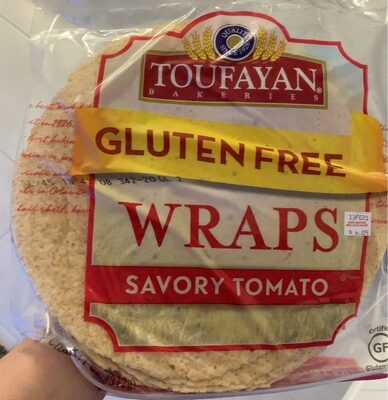
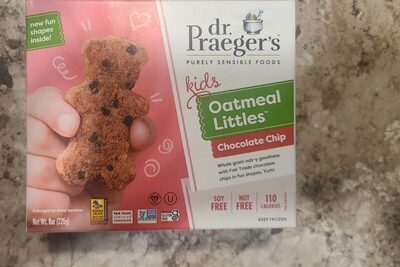 Dr. Praeger'S
Chocolate Chip Kids Oatmeal Littles, Chocolate Chip
275kcal
5Protein
11.2Fat
37.5Carbs
Learn more
Auto-generated content. This description was generated automatically and is pending editorial review. Inaccuracies are possible. Found a mistake? Contact us.