Minced Fish Fillets
What is Minced Fish Fillets?
Minced fish fillets are made from fish that have been deboned and ground or chopped. The fish is typically sourced from various species, often white fish like cod or pollock, and processed into smaller pieces for easier use in food products. This form allows for consistent texture and easier incorporation into processed foods.
Is Minced Fish Fillets vegan?
No. Minced Fish Fillets is animal-derived, so it is not vegan.
Is Minced Fish Fillets a major allergen?
Fish is one of the 9 FDA major allergens.
What is Minced Fish Fillets used for?
Minced fish fillets are used as a primary protein source in many processed seafood products.
Is Minced Fish Fillets safe?
Minced fish fillets are a source of protein and omega-3 fatty acids.
Why it's used
Minced fish fillets are used as a primary protein source in many processed seafood products. Manufacturers use them to create items like fish sticks, fish cakes, and breaded fish portions. Their texture and mild flavor make them versatile for binding with other ingredients and coatings.
Health notes
Minced fish fillets are a source of protein and omega-3 fatty acids. The FDA considers fish to be a major food allergen. Regulatory bodies like the WHO have noted the health benefits of fish consumption, particularly regarding cardiovascular health. No specific regulatory evaluations for 'minced fish fillets' as a distinct ingredient by bodies like JECFA or EFSA are typically noted, as it is considered a whole food ingredient.
Allergen info
Fish is one of the 9 FDA major allergens. Minced fish fillets are derived from fish and are therefore a major allergen.
Foods that contain Minced Fish Fillets
Compare products →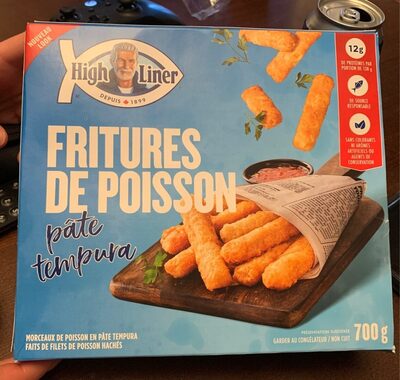 Caribbean Gourmet Inc.
Tempura Fish Fries Portions In Tempura Batter, Tempura
225kcal
8.7Protein
13.0Fat
18.8Carbs
Caribbean Gourmet Inc.
Tempura Fish Fries Portions In Tempura Batter, Tempura
225kcal
8.7Protein
13.0Fat
18.8Carbs
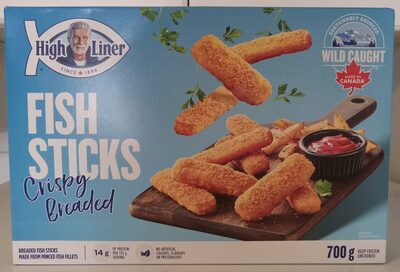 Caribbean Gourmet Inc.
Crispy Breaded Fish Sticks, Crispy Breaded
208kcal
9.6Protein
12Fat
15.2Carbs
Caribbean Gourmet Inc.
Crispy Breaded Fish Sticks, Crispy Breaded
208kcal
9.6Protein
12Fat
15.2Carbs
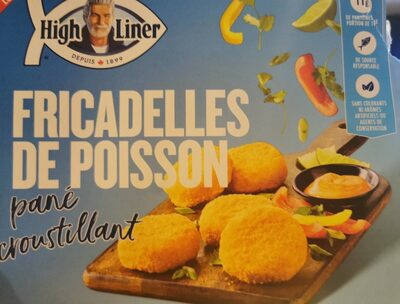 Caribbean Gourmet Inc.
Crispy Breaded Fish Cakes, Crispy Breaded
168kcal
9.2Protein
3.8Fat
25.2Carbs
Caribbean Gourmet Inc.
Crispy Breaded Fish Cakes, Crispy Breaded
168kcal
9.2Protein
3.8Fat
25.2Carbs
Learn more
Auto-generated content. This description was generated automatically and is pending editorial review. Inaccuracies are possible. Found a mistake? Contact us.