Mochi Dough Cane Sugar
What is Mochi Dough Cane Sugar?
Mochi dough is a Japanese confection made from glutinous rice flour, water, and sugar. The rice is pounded into a smooth, elastic paste, which is then shaped into small balls or other forms. It has a chewy, sticky texture.
Is Mochi Dough Cane Sugar vegan?
Mochi Dough Cane Sugar is not animal-derived. Products that contain it can still include other animal-derived ingredients, so check the full ingredient list.
Is Mochi Dough Cane Sugar gluten-free?
It does not contain gluten.
Is Mochi Dough Cane Sugar a major allergen?
Mochi dough is made from rice, which is not one of the 9 FDA major allergens.
What is Mochi Dough Cane Sugar used for?
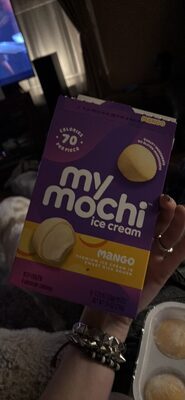
Mochi dough is primarily used as a wrapper or casing for ice cream and other frozen desserts, providing a sweet, chewy contrast to the cold filling.
Is Mochi Dough Cane Sugar safe?
Cane sugar is a common sweetener.
Why it's used
Mochi dough is primarily used as a wrapper or casing for ice cream and other frozen desserts, providing a sweet, chewy contrast to the cold filling. It can also be filled with sweet pastes or fruits and eaten as a standalone treat. Manufacturers use it for its unique texture and ability to hold its shape.
Health notes
Cane sugar is a common sweetener. The FDA considers sugar to be Generally Recognized As Safe (GRAS) for use in food. While excessive sugar intake is linked to health concerns like weight gain and dental issues, moderate consumption as part of a balanced diet is not typically associated with adverse effects. International bodies like JECFA have evaluated sugar and set guidelines for its use.
Allergen info
Mochi dough is made from rice, which is not one of the 9 FDA major allergens. It does not contain gluten.
Foods that contain Mochi Dough Cane Sugar
Compare products →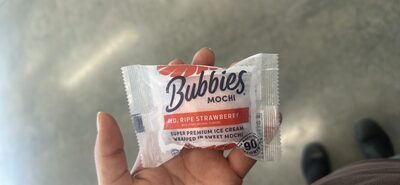
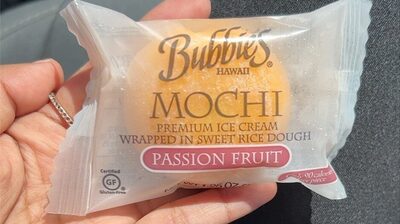
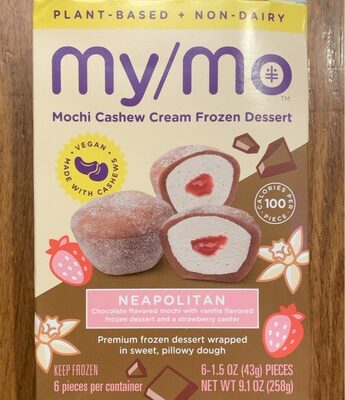
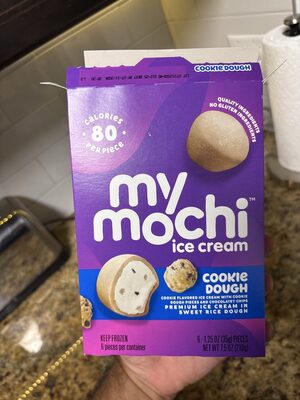
Auto-generated content. This description was generated automatically and is pending editorial review. Inaccuracies are possible. Found a mistake? Contact us.