Modified Coconut Palm Kernel Oil
Auto-generated content. This description was generated automatically and is pending editorial review. Inaccuracies are possible. Found a mistake? Contact us.
What it is
Modified coconut palm kernel oil is a processed fat derived from the kernels of coconuts and oil palms. These oils are typically refined and then altered through physical or chemical processes to change their melting point, texture, or stability.
Why it's used
Manufacturers use modified coconut palm kernel oil to provide specific textures and mouthfeel in foods, as well as to act as a fat source. It is often found in confectionery, baked goods, and some processed savory dishes to improve consistency and shelf life.
Health notes
Coconut oil and palm kernel oil are high in saturated fat. The Dietary Guidelines for Americans recommend limiting saturated fat intake to less than 10% of daily calories. Modified coconut palm kernel oil is generally recognized as safe (GRAS) by the FDA when used in accordance with good manufacturing practices. JECFA and EFSA typically evaluate food additives rather than common food oils, and have not set specific limits for this ingredient. If the modification process involves partial hydrogenation, the ingredient would contain artificial trans fats; however, partially hydrogenated oils (PHOs) are no longer generally recognized as safe (GRAS) by the FDA as of 2018.
Allergen info
Coconut is classified as a tree nut by the FDA and must be declared as a major allergen. Palm kernel oil is not considered a major allergen.
Products containing Modified Coconut Palm Kernel Oil
Compare products →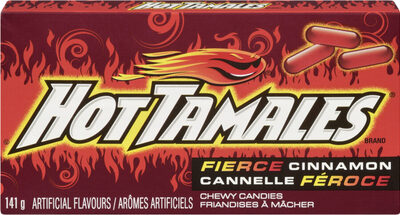 Just Born, Inc.
Chewy Candies, Fierce Cinnamon
350kcal
0Protein
0Fat
90Carbs
Big Y Foods, Inc.
Beef Shepherd's Pie
118kcal
6.5Protein
5.3Fat
10Carbs
Big Y Foods, Inc.
American Chop Suey
High in sodium — 29% DV per serving
High in saturated fat — 55% DV per serving
High in cholesterol — 30% DV per serving
203kcal
11.4Protein
13.7Fat
10.1Carbs
Big Y Foods, Inc.
Turkey With Mashed Potatoes Cornbread Stuffing And Gravy Dinner, Turkey
High in sodium — 25% DV per serving
—kcal
7.9Protein
2.9Fat
—Carbs
Just Born, Inc.
Chewy Assorted Fruit Flavoured Candies, Cherry, Lemon, Strawberry, Lime, Orange
350kcal
0Protein
0Fat
90Carbs
Wakefern Food Corporation
Holiday Turkey Dinner Roasted Turkey Breast, Mashed Potatoes, Apple Corn Bread Stuffing, Butternut Squash With Cranberries & Gravy, Holiday Turkey Dinner
High in sodium — 59% DV per serving
82kcal
6.5Protein
2.4Fat
9.7Carbs
Just Born, Inc.
Chewy Candies, Fierce Cinnamon
350kcal
0Protein
0Fat
90Carbs
Big Y Foods, Inc.
Beef Shepherd's Pie
118kcal
6.5Protein
5.3Fat
10Carbs
Big Y Foods, Inc.
American Chop Suey
High in sodium — 29% DV per serving
High in saturated fat — 55% DV per serving
High in cholesterol — 30% DV per serving
203kcal
11.4Protein
13.7Fat
10.1Carbs
Big Y Foods, Inc.
Turkey With Mashed Potatoes Cornbread Stuffing And Gravy Dinner, Turkey
High in sodium — 25% DV per serving
—kcal
7.9Protein
2.9Fat
—Carbs
Just Born, Inc.
Chewy Assorted Fruit Flavoured Candies, Cherry, Lemon, Strawberry, Lime, Orange
350kcal
0Protein
0Fat
90Carbs
Wakefern Food Corporation
Holiday Turkey Dinner Roasted Turkey Breast, Mashed Potatoes, Apple Corn Bread Stuffing, Butternut Squash With Cranberries & Gravy, Holiday Turkey Dinner
High in sodium — 59% DV per serving
82kcal
6.5Protein
2.4Fat
9.7Carbs