Monoglycerides With Citric Acid
Auto-generated content. This description was generated automatically and is pending editorial review. Inaccuracies are possible. Found a mistake? Contact us.
What it is
Monoglycerides with citric acid are a blend of emulsifiers made from fats and oils. They are produced by reacting glycerol with fatty acids, and then esterifying the resulting monoglycerides with citric acid. This process creates a compound that helps blend oil and water-based ingredients.
Why it's used
This ingredient acts as an emulsifier, helping to create smooth textures and prevent separation in foods. It is commonly found in baked goods like breads and buns, as well as in prepared meals and sandwiches, improving their consistency and shelf life.
Health notes
Monoglycerides and citric acid are generally recognized as safe (GRAS) by the FDA for use in food. They are metabolized by the body like other fats and acids. International bodies like JECFA have evaluated these substances and established acceptable daily intake levels. Evidence does not suggest adverse health effects at typical consumption levels.
Allergen info
Monoglycerides can be derived from soy or other plant oils, but are not considered a major allergen themselves. Citric acid is typically derived from corn and is not a major allergen. Gluten is not present.
Products containing Monoglycerides With Citric Acid
Compare products →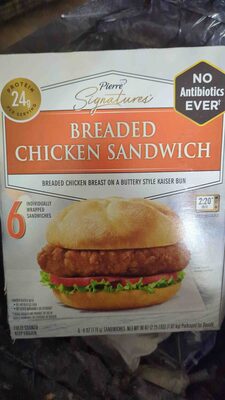 AdvancePierre Foods Inc.
Breaded Chicken Sandwiches, Breaded Chicken
High in sodium — 34% DV per serving
High in cholesterol — 20% DV per serving
256kcal
14.3Protein
9.5Fat
28.0Carbs
AdvancePierre Foods Inc.
Breaded Chicken Sandwiches, Breaded Chicken
High in sodium — 34% DV per serving
High in cholesterol — 20% DV per serving
256kcal
14.3Protein
9.5Fat
28.0Carbs