Natamycin As A Natural Preservative
What is Natamycin As A Natural Preservative?
Natamycin is a natural antifungal compound produced by the bacterium *Streptomyces natalensis*. It is typically produced through fermentation and then purified for use as a food additive.
Is Natamycin As A Natural Preservative vegan?
Natamycin As A Natural Preservative is not animal-derived. Products that contain it can still include other animal-derived ingredients, so check the full ingredient list.
Is Natamycin As A Natural Preservative gluten-free?
It does not contain gluten.
Is Natamycin As A Natural Preservative a major allergen?
Natamycin is not derived from any of the nine FDA major allergens.
What is Natamycin As A Natural Preservative used for?
Manufacturers add natamycin to foods to prevent the growth of mold and yeast, extending shelf life.
Is Natamycin As A Natural Preservative safe?
In the United States, natamycin is generally recognized as safe (GRAS) by the FDA for use as a food preservative.
Why it's used
Manufacturers add natamycin to foods to prevent the growth of mold and yeast, extending shelf life. It is commonly used on the surface of cheeses, cured meats, and in fermented products like pickles and olives.
Health notes
In the United States, natamycin is generally recognized as safe (GRAS) by the FDA for use as a food preservative. International bodies like JECFA and EFSA have also evaluated natamycin and have not specified a numerical acceptable daily intake. It is not known to cause adverse health effects at the levels typically used in food.
Allergen info
Natamycin is not derived from any of the nine FDA major allergens. It does not contain gluten.
Foods that contain Natamycin As A Natural Preservative
Compare products →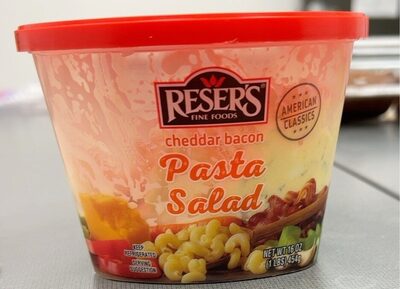 Reser's Fine Foods, Inc.
Cheddar Bacon Pasta Salad, Cheddar Bacon Pasta
High in sodium — 35% DV per serving
High in saturated fat — 22% DV per serving
229kcal
4.3Protein
17.1Fat
13.6Carbs
Reser's Fine Foods, Inc.
Cheddar Bacon Pasta Salad, Cheddar Bacon Pasta
High in sodium — 35% DV per serving
High in saturated fat — 22% DV per serving
229kcal
4.3Protein
17.1Fat
13.6Carbs
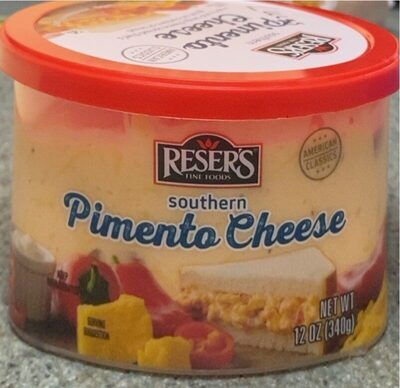 Reser's Fine Foods, Inc.
Southern Pimento Cheese Spicy And Tangy Cheese Spread That's Great On Crackers Or Bread, Southern Pimento Cheese
High in saturated fat — 20% DV per serving
467kcal
10Protein
43.3Fat
3.3Carbs
Reser's Fine Foods, Inc.
Southern Pimento Cheese Spicy And Tangy Cheese Spread That's Great On Crackers Or Bread, Southern Pimento Cheese
High in saturated fat — 20% DV per serving
467kcal
10Protein
43.3Fat
3.3Carbs
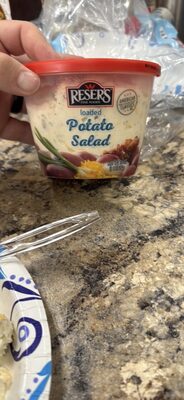 Reser's Fine Foods, Inc.
Loaded Potato Salad, Loaded Potato
High in sodium — 24% DV per serving
High in saturated fat — 35% DV per serving
207kcal
3.6Protein
15Fat
13.6Carbs
Reser's Fine Foods, Inc.
Loaded Potato Salad, Loaded Potato
High in sodium — 24% DV per serving
High in saturated fat — 35% DV per serving
200kcal
3.6Protein
15Fat
13.6Carbs
Reser's Fine Foods, Inc.
Baked Broccoli Cheddar Rice, Cheddar
High in sodium — 43% DV per serving
High in saturated fat — 30% DV per serving
132kcal
5Protein
5Fat
16.4Carbs
Reser's Fine Foods, Inc.
Loaded Potato Salad, Loaded Potato
High in sodium — 24% DV per serving
High in saturated fat — 35% DV per serving
207kcal
3.6Protein
15Fat
13.6Carbs
Reser's Fine Foods, Inc.
Loaded Potato Salad, Loaded Potato
High in sodium — 24% DV per serving
High in saturated fat — 35% DV per serving
200kcal
3.6Protein
15Fat
13.6Carbs
Reser's Fine Foods, Inc.
Baked Broccoli Cheddar Rice, Cheddar
High in sodium — 43% DV per serving
High in saturated fat — 30% DV per serving
132kcal
5Protein
5Fat
16.4Carbs
Learn more
Auto-generated content. This description was generated automatically and is pending editorial review. Inaccuracies are possible. Found a mistake? Contact us.