Natural Caffeine From Green Tea
Auto-generated content. This description was generated automatically and is pending editorial review. Inaccuracies are possible. Found a mistake? Contact us.
What it is
Caffeine is a naturally occurring stimulant found in coffee beans, tea leaves, and cacao pods. In this case, it is extracted from green tea leaves. The extraction process typically involves using water or solvents to isolate the caffeine from the plant material.
Why it's used
Manufacturers add natural caffeine from green tea primarily for its stimulant properties, helping to increase alertness and reduce fatigue. It is commonly found in beverages like energy drinks, teas, and some flavored waters, as well as in certain snack bars and supplements.
Health notes
In the U.S., caffeine is generally recognized as safe (GRAS) by the FDA when consumed in moderate amounts. The FDA notes that for healthy adults, up to 400 milligrams (mg) per day appears to be safe. JECFA and EFSA have evaluated caffeine and established acceptable daily intakes. While generally safe, excessive intake can lead to side effects like jitters, insomnia, and rapid heart rate. The evidence on long-term health effects is mixed, with some studies suggesting potential benefits and others raising concerns about specific populations.
Allergen info
Caffeine itself is not one of the nine major allergens. Green tea is not a source of gluten.
Products containing Natural Caffeine From Green Tea
Compare products →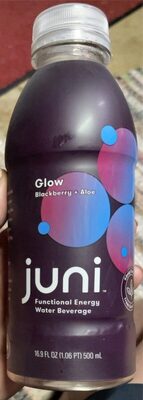 Friendship Beverage LLC
Blackberry + Aloe Glow Functional Energy Water Beverage, Blackberry + Aloe
2kcal
0Protein
0Fat
0.6Carbs
Friendship Beverage LLC
Immunity Mango + Turmeric Functional Energy Water Beverage, Mango + Turmeric
4kcal
0Protein
0Fat
0.8Carbs
Friendship Beverage LLC
Blackberry + Aloe Glow Functional Energy Water Beverage, Blackberry + Aloe
2kcal
0Protein
0Fat
0.6Carbs
Friendship Beverage LLC
Immunity Mango + Turmeric Functional Energy Water Beverage, Mango + Turmeric
4kcal
0Protein
0Fat
0.8Carbs
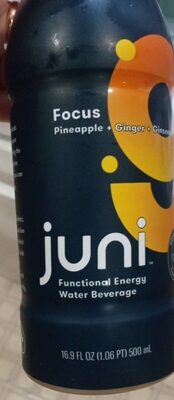 Friendship Beverage LLC
Pineapple + Ginger + Ginseng Focus Functional Energy Water Beverage, Pineapple + Ginger + Ginseng
5kcal
0Protein
0Fat
1Carbs
Friendship Beverage LLC
Pineapple + Ginger + Ginseng Focus Functional Energy Water Beverage, Pineapple + Ginger + Ginseng
5kcal
0Protein
0Fat
1Carbs
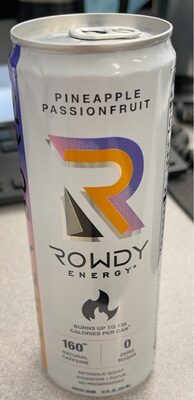 ROWDY BEVERAGE
Pineapple Passionfruit Energy Drink, Pineapple Passionfruit
1kcal
0Protein
0Fat
0.6Carbs
ROWDY BEVERAGE
Pineapple Passionfruit Energy Drink, Pineapple Passionfruit
1kcal
0Protein
0Fat
0.6Carbs
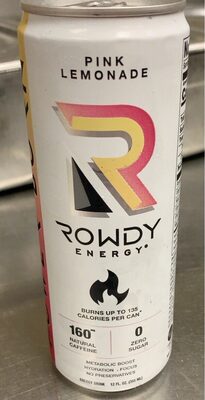 ROWDY BEVERAGE
Pink Lemonade Energy Drink, Pink Lemonade
1kcal
0Protein
0Fat
0.6Carbs
ROWDY BEVERAGE
Pink Lemonade Energy Drink, Pink Lemonade
1kcal
0Protein
0Fat
0.6Carbs
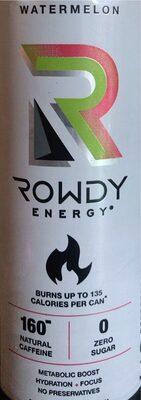 ROWDY BEVERAGE
Watermelon Energy Drink, Watermelon
1kcal
0Protein
0Fat
0.6Carbs
ROWDY BEVERAGE
Watermelon Energy Drink, Watermelon
1kcal
0Protein
0Fat
0.6Carbs
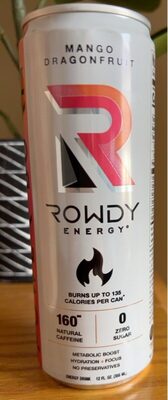 ROWDY BEVERAGE
Mango Dragon Fruit Energy Drink, Mango Dragon Fruit
1kcal
0Protein
0Fat
0.6Carbs
ROWDY BEVERAGE
Mango Dragon Fruit Energy Drink, Mango Dragon Fruit
1kcal
0Protein
0Fat
0.6Carbs
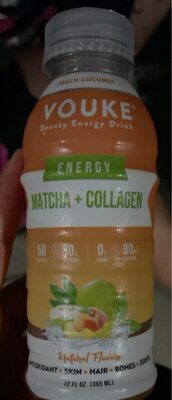 Fruit Of Life LLC
Peach Coconut Matcha + Collagen Beauty Energy Drink, Peach Coconut
14kcal
2.8Protein
0Fat
0.3Carbs
Fruit Of Life LLC
Peach Coconut Matcha + Collagen Beauty Energy Drink, Peach Coconut
14kcal
2.8Protein
0Fat
0.3Carbs
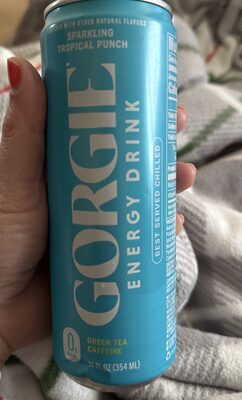 HMY JEWELRY INC
Sparkling Paradise Punch Energy Drink
1kcal
0Protein
0Fat
0.3Carbs
HMY JEWELRY INC
Sparkling Paradise Punch Energy Drink
1kcal
0Protein
0Fat
0.3Carbs
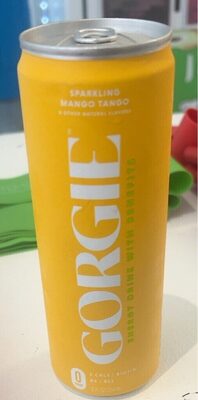 HMY JEWELRY INC
Sparkling Mango Tango Energy Drink, Mango
1kcal
0Protein
0Fat
0.3Carbs
HMY JEWELRY INC
Sparkling Mango Tango Energy Drink, Mango
1kcal
0Protein
0Fat
0.3Carbs
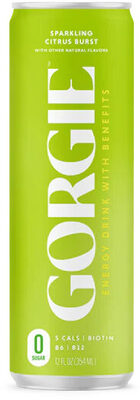 HMY JEWELRY INC
Sparkling Citrus Burst Energy Drink, Citrus
1kcal
0Protein
0Fat
0.3Carbs
HMY JEWELRY INC
Sparkling Citrus Burst Energy Drink, Citrus
1kcal
0Protein
0Fat
0.3Carbs
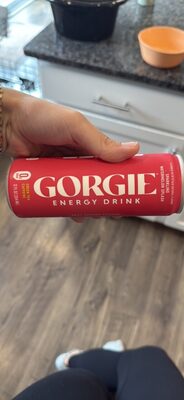 HMY JEWELRY INC
Sparkling Watermelon Crush Energy Drink, Watermelon
1kcal
0Protein
0Fat
0.3Carbs
HMY JEWELRY INC
Sparkling Watermelon Crush Energy Drink, Watermelon
1kcal
0Protein
0Fat
0.3Carbs