Natural Extract
What is Natural Extract?
Natural extract is a general term for substances derived from plants, animals, or minerals. These extracts are obtained through various methods like pressing, distillation, or solvent extraction to capture specific flavors, colors, or active compounds. They are used to add desirable characteristics to food products.
Is Natural Extract gluten-free?
Gluten status also depends on the source.
Is Natural Extract a major allergen?
The allergen status of natural extracts depends entirely on their source.
What is Natural Extract used for?
Manufacturers use natural extracts to enhance or impart specific flavors and aromas in a wide range of foods.
Is Natural Extract safe?
Natural extracts are generally recognized as safe (GRAS) by the FDA for their intended use as flavoring agents.
Why it's used
Manufacturers use natural extracts to enhance or impart specific flavors and aromas in a wide range of foods. They are commonly found in baked goods, beverages, dairy products, and savory items like sauces and marinades. Their function is primarily to contribute to the taste and scent profile of the final product.
Health notes
Natural extracts are generally recognized as safe (GRAS) by the FDA for their intended use as flavoring agents. Regulatory bodies like the Joint FAO/WHO Expert Committee on Food Additives (JECFA) and the European Food Safety Authority (EFSA) have evaluated many natural extracts. Evidence generally supports their safety at typical consumption levels. Some specific plant extracts may have bioactive compounds, but research on their health effects at dietary intake levels is ongoing.
Allergen info
The allergen status of natural extracts depends entirely on their source. If derived from a major allergen (like nuts, soy, or wheat), it would be considered an allergen. Otherwise, it is not a major allergen. Gluten status also depends on the source.
Foods that contain Natural Extract
Compare products →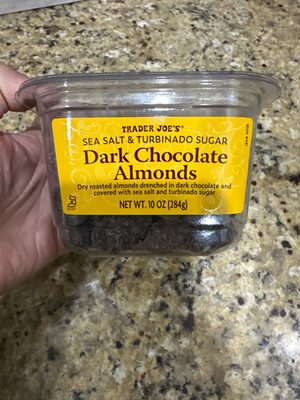
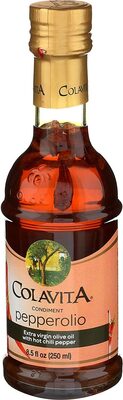
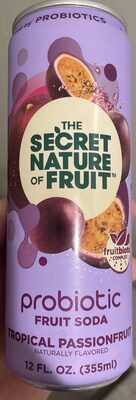
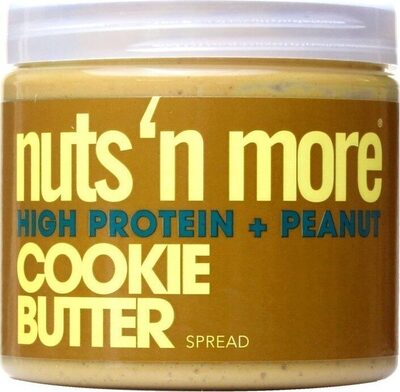
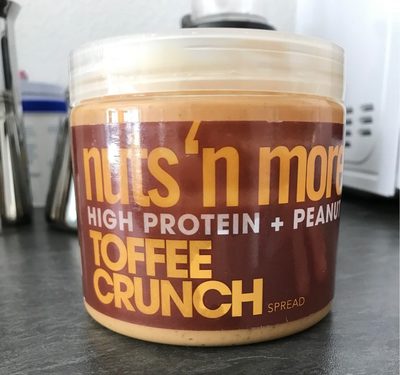
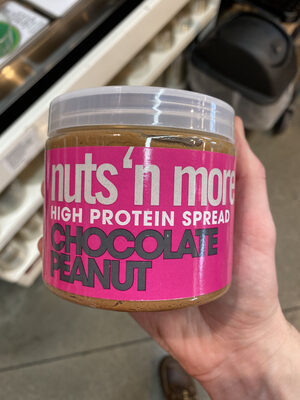
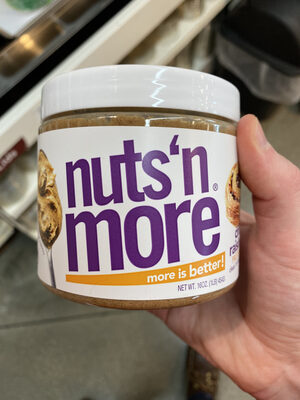
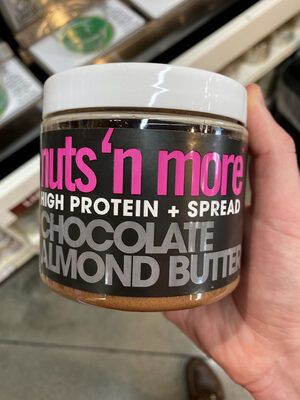
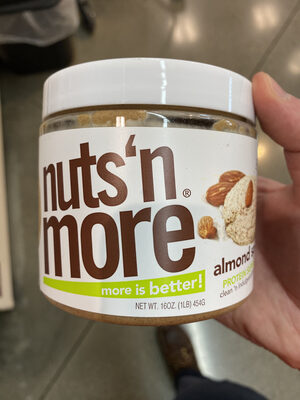
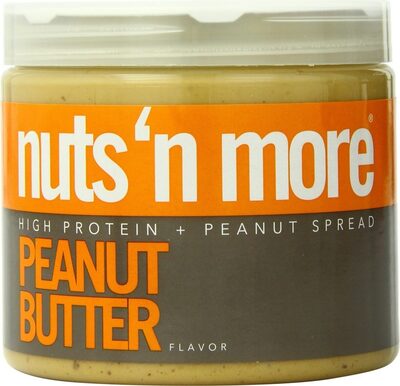
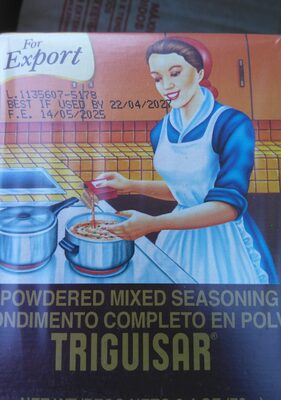
Learn more
Auto-generated content. This description was generated automatically and is pending editorial review. Inaccuracies are possible. Found a mistake? Contact us.