Natural Sesame Seeds
What is Natural Sesame Seeds?
Sesame seeds are small, edible seeds that come from the Sesamum indicum plant. They are typically harvested, cleaned, and sometimes toasted to enhance their nutty flavor before being used in food.
Is Natural Sesame Seeds vegan?
Natural Sesame Seeds is not animal-derived. Products that contain it can still include other animal-derived ingredients, so check the full ingredient list.
Is Natural Sesame Seeds a major allergen?
Sesame is one of the 9 major food allergens recognized by the FDA.
What is Natural Sesame Seeds used for?
Sesame seeds are often used as a topping for breads, bagels, and crackers, adding a crunchy texture and mild, nutty taste.
Is Natural Sesame Seeds safe?
Sesame seeds are generally recognized as safe (GRAS) by the FDA when used in food.
Why it's used
Sesame seeds are often used as a topping for breads, bagels, and crackers, adding a crunchy texture and mild, nutty taste. They are also a key ingredient in many cuisines, used in sauces, marinades, and as a source of sesame oil.
Health notes
Sesame seeds are generally recognized as safe (GRAS) by the FDA when used in food. They are a source of healthy fats, protein, fiber, and various micronutrients. The Joint FAO/WHO Expert Committee on Food Additives (JECFA) has evaluated sesame seeds, and the European Food Safety Authority (EFSA) has also assessed their safety. Evidence suggests that moderate consumption is associated with health benefits, though research is ongoing.
Allergen info
Sesame is one of the 9 major food allergens recognized by the FDA. People with a sesame allergy should avoid products containing sesame seeds.
Foods that contain Natural Sesame Seeds
Compare products →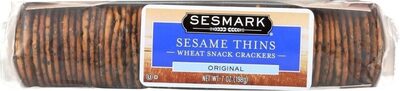
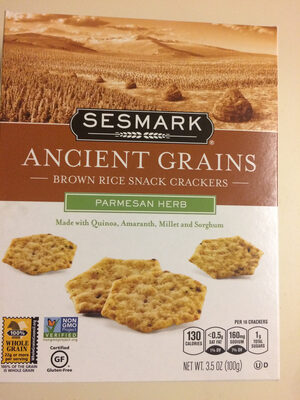

Auto-generated content. This description was generated automatically and is pending editorial review. Inaccuracies are possible. Found a mistake? Contact us.