Natural Source Vitamin E
Auto-generated content. This description was generated automatically and is pending editorial review. Inaccuracies are possible. Found a mistake? Contact us.
What it is
Natural Source Vitamin E is a fat-soluble nutrient found in plant-based foods. It is typically extracted from vegetable oils like soybean, corn, or sunflower oil. The most common form used as a food ingredient is alpha-tocopherol.
Why it's used
Manufacturers add Natural Source Vitamin E primarily as an antioxidant to prevent oils and fats in foods from becoming rancid. This helps extend the shelf life of products such as baked goods, salad dressings, and processed meats. It is also added to some foods as a nutrient supplement.
Health notes
In the U.S., alpha-tocopherol is Generally Recognized As Safe (GRAS) by the FDA when used as a nutrient or antioxidant. It is an essential nutrient for human health, playing a role in immune function and cell protection. International bodies like JECFA and EFSA have evaluated vitamin E and its derivatives. Research on the health effects of vitamin E supplements is ongoing, with mixed results regarding benefits for chronic diseases.
Allergen info
Natural Source Vitamin E is not typically derived from major allergens. However, if it is extracted from soy or wheat germ oil, trace amounts of these allergens could potentially be present, though processing usually removes them. It is not a source of gluten.
Products containing Natural Source Vitamin E
Compare products →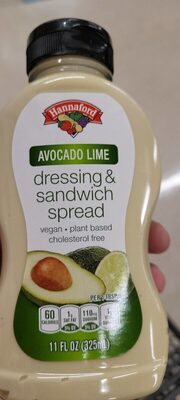 Hannaford Bros. Co.
Avocado Lime Dressing & Sandwich Spread, Avocado Lime
400kcal
0Protein
40Fat
13.3Carbs
Smart & Final Iris Corporation
Cheese Danish Coffee Cake, Cheese Danish
High in saturated fat — 45% DV per serving
456kcal
7.0Protein
29.8Fat
40.4Carbs
Terry Ho Products, LLC
The Original Spicy Yum Yum Sauce
567kcal
0Protein
56.7Fat
10Carbs
Hannaford Bros. Co.
Avocado Lime Dressing & Sandwich Spread, Avocado Lime
400kcal
0Protein
40Fat
13.3Carbs
Smart & Final Iris Corporation
Cheese Danish Coffee Cake, Cheese Danish
High in saturated fat — 45% DV per serving
456kcal
7.0Protein
29.8Fat
40.4Carbs
Terry Ho Products, LLC
The Original Spicy Yum Yum Sauce
567kcal
0Protein
56.7Fat
10Carbs