Niacin Ferrous Lactate
What is Niacin Ferrous Lactate?
Niacin, also known as vitamin B3, is an essential nutrient. Ferrous lactate is a salt formed from iron and lactic acid. This ingredient combines both, often used to fortify foods with iron and niacin.
Is Niacin Ferrous Lactate vegan?
Niacin Ferrous Lactate is not animal-derived. Products that contain it can still include other animal-derived ingredients, so check the full ingredient list.
Is Niacin Ferrous Lactate gluten-free?
It does not contain gluten.
Is Niacin Ferrous Lactate a major allergen?
Niacin itself is not an allergen.
What is Niacin Ferrous Lactate used for?
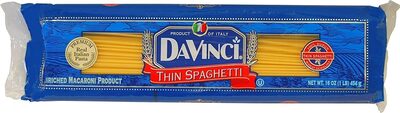
This ingredient is primarily used as a nutrient supplement in enriched foods like pasta.
Is Niacin Ferrous Lactate safe?
Niacin is recognized as safe and effective by the FDA for use as a nutrient supplement.
Why it's used
This ingredient is primarily used as a nutrient supplement in enriched foods like pasta. Manufacturers add it to help consumers meet their dietary requirements for iron and niacin, which are important for energy production and red blood cell formation.
Health notes
Niacin is recognized as safe and effective by the FDA for use as a nutrient supplement. Ferrous lactate is also permitted for use in food. Regulatory bodies like JECFA and EFSA have evaluated niacin and iron compounds. At typical levels found in fortified foods, these nutrients are generally considered safe. Excessive iron intake can cause gastrointestinal upset, but this is rare from food sources alone.
Allergen info
Niacin itself is not an allergen. Ferrous lactate is not derived from any of the 9 FDA major allergens. It does not contain gluten.
Foods that contain Niacin Ferrous Lactate
Compare products →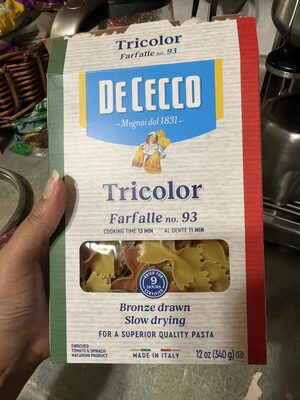
Learn more
Auto-generated content. This description was generated automatically and is pending editorial review. Inaccuracies are possible. Found a mistake? Contact us.