Niacinimide
What is Niacinimide?
Niacinamide is a form of vitamin B3, also known as nicotinamide. It is a water-soluble vitamin that plays a role in metabolism and cell function. It can be synthesized industrially or found naturally in foods like meat, fish, and whole grains.
Is Niacinimide vegan?
Niacinimide is not animal-derived. Products that contain it can still include other animal-derived ingredients, so check the full ingredient list.
Is Niacinimide gluten-free?
Niacinamide is not derived from any of the nine FDA major allergens and does not contain gluten.
What is Niacinimide used for?
Manufacturers add niacinamide to foods as a nutrient supplement, fortifying products like cereals and energy drinks.
Is Niacinimide safe?
Niacinamide is generally recognized as safe (GRAS) by the FDA when used as a nutrient or food additive.
Why it's used
Manufacturers add niacinamide to foods as a nutrient supplement, fortifying products like cereals and energy drinks. It is also used as a food additive to improve texture and stability in some processed foods. Its presence helps boost the nutritional profile of the food.
Health notes
Niacinamide is generally recognized as safe (GRAS) by the FDA when used as a nutrient or food additive. It is essential for energy production and DNA repair. The Joint FAO/WHO Expert Committee on Food Additives (JECFA) has evaluated niacinamide, and the European Food Safety Authority (EFSA) also considers it safe. High doses, far exceeding typical food intake, may cause side effects like skin flushing or gastrointestinal upset, but this is uncommon from food sources.
Allergen info
Niacinamide is not derived from any of the nine FDA major allergens and does not contain gluten.
Foods that contain Niacinimide
Compare products →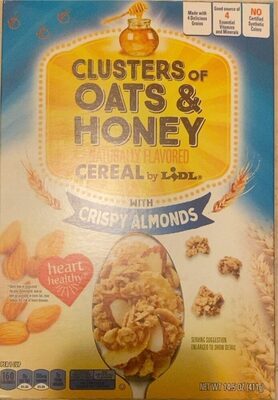
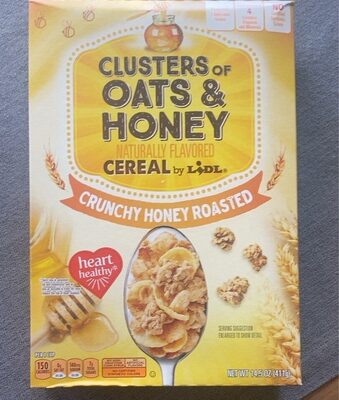



Learn more
Auto-generated content. This description was generated automatically and is pending editorial review. Inaccuracies are possible. Found a mistake? Contact us.