Nisin Preparation Salt
What is Nisin Preparation Salt?
Nisin Preparation Salt is a mixture of nisin, a natural antimicrobial peptide, and salt. Nisin is produced by the bacterium Lactococcus lactis during the fermentation of milk. The preparation is used as a food preservative.
Is Nisin Preparation Salt vegan?
No. Nisin Preparation Salt is animal-derived, so it is not vegan.
Is Nisin Preparation Salt a major allergen?
Nisin is derived from milk but is a protein produced by bacteria, not a direct milk allergen.
What is Nisin Preparation Salt used for?
Manufacturers add nisin to foods to prevent the growth of spoilage bacteria and extend shelf life.
Is Nisin Preparation Salt safe?
Nisin is generally recognized as safe (GRAS) by the FDA for use as an antimicrobial agent in food.
Why it's used
Manufacturers add nisin to foods to prevent the growth of spoilage bacteria and extend shelf life. It is particularly effective against certain types of bacteria like Listeria monocytogenes. It is often found in dairy products, processed meats, and canned goods.
Health notes
Nisin is generally recognized as safe (GRAS) by the FDA for use as an antimicrobial agent in food. It has been evaluated by international bodies like JECFA, which has established its safety. Nisin is not absorbed well by the body and is broken down into amino acids, its basic building blocks.
Allergen info
Nisin is derived from milk but is a protein produced by bacteria, not a direct milk allergen. It is not considered a major allergen.
Foods that contain Nisin Preparation Salt
Compare products →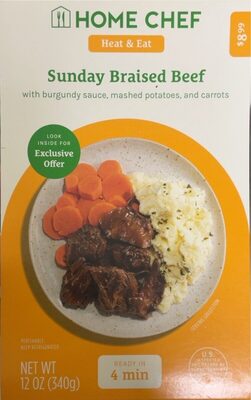
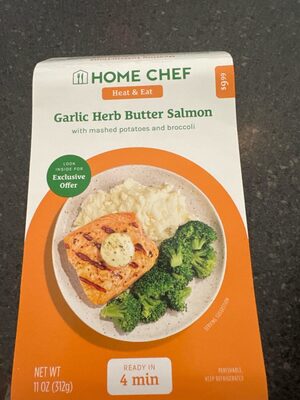
Learn more
Auto-generated content. This description was generated automatically and is pending editorial review. Inaccuracies are possible. Found a mistake? Contact us.