Nisin
What is Nisin?
Nisin is a natural antimicrobial peptide, a small protein produced by certain strains of the bacterium Lactococcus lactis. It is manufactured through fermentation processes, where these bacteria are grown in a controlled environment to produce nisin, which is then purified.
Is Nisin vegan?
Nisin is not animal-derived. Products that contain it can still include other animal-derived ingredients, so check the full ingredient list.
Is Nisin gluten-free?
It is a protein produced by bacteria and does not contain gluten.
Is Nisin a major allergen?
Nisin is not derived from any of the nine FDA major allergens.
What is Nisin used for?
Nisin is primarily used as a food preservative to inhibit the growth of spoilage bacteria and yeasts, particularly in heat-treated foods.
Is Nisin safe?
In the United States, nisin is Generally Recognized As Safe (GRAS) by the FDA for use as an antimicrobial agent.
Why it's used
Nisin is primarily used as a food preservative to inhibit the growth of spoilage bacteria and yeasts, particularly in heat-treated foods. It is commonly found in dairy products like cheese and yogurt, as well as in processed meats, canned goods, and baked items.
Health notes
In the United States, nisin is Generally Recognized As Safe (GRAS) by the FDA for use as an antimicrobial agent. It is considered safe at typical consumption levels, and international bodies like JECFA have evaluated it. Nisin is naturally occurring and breaks down in the digestive system, posing no known health risks at approved usage levels.
Allergen info
Nisin is not derived from any of the nine FDA major allergens. It is a protein produced by bacteria and does not contain gluten.
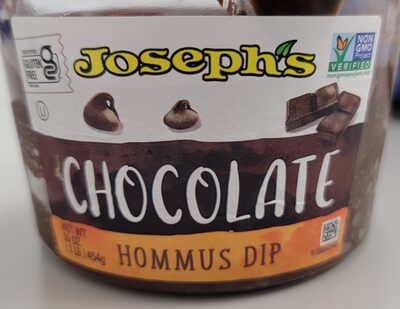
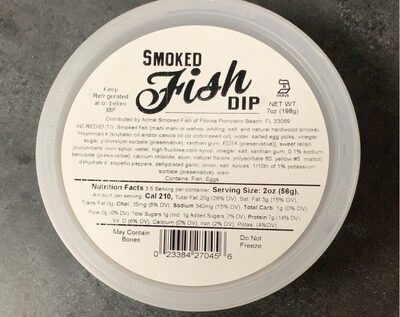
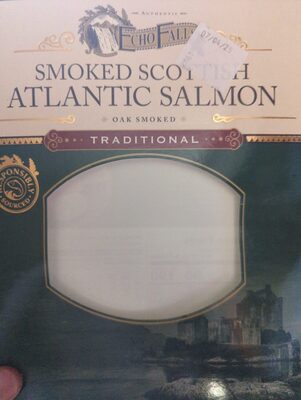
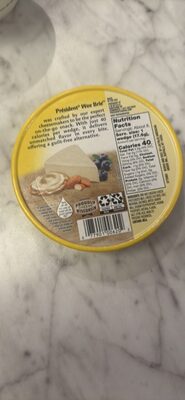
Foods that contain Nisin
Compare products →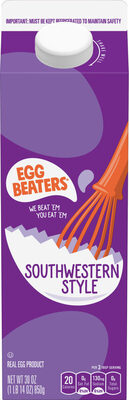

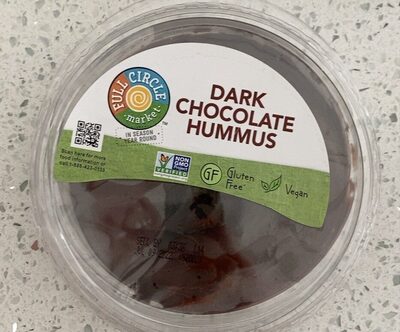
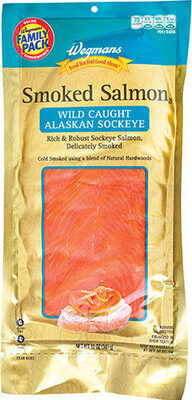
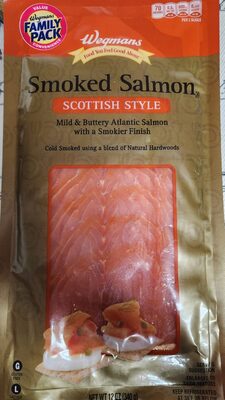
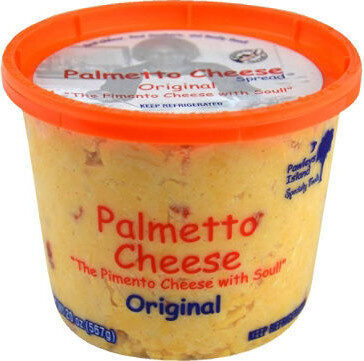
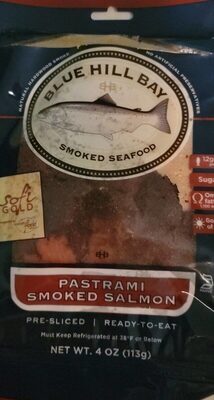
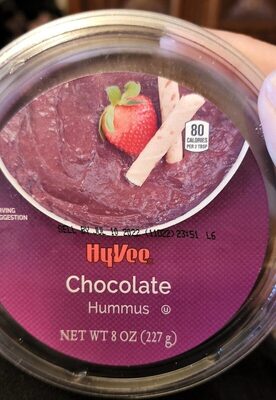
Learn more
Auto-generated content. This description was generated automatically and is pending editorial review. Inaccuracies are possible. Found a mistake? Contact us.