Non Glutinous Rice
Auto-generated content. This description was generated automatically and is pending editorial review. Inaccuracies are possible. Found a mistake? Contact us.
What it is
Non-glutinous rice, also known as common rice or japonica rice, is a type of rice that does not have the sticky or gummy quality of glutinous rice. It is a staple food for a large portion of the world's population, grown in flooded paddies or dry fields. After harvesting, the grains are milled to remove the husk, bran, and germ.
Why it's used
Non-glutinous rice is used as a grain in a wide variety of dishes, from side dishes to main courses. In packaged foods, it can be found as a primary ingredient in crackers, rice cakes, and other snack items, providing a crisp texture and mild flavor. It is also used as a thickener or binder in some processed foods.
Health notes
Non-glutinous rice is a common food ingredient and is generally recognized as safe by the FDA. It is a source of carbohydrates, providing energy. While rice can be a good source of nutrients, the nutritional content can vary based on the processing (e.g., white vs. brown rice). Regulatory bodies like JECFA and EFSA have evaluated rice and its components. There are no widespread controversies regarding its consumption at typical levels.
Allergen info
Non-glutinous rice is not one of the 9 FDA major food allergens. It does not contain gluten.
Products containing Non Glutinous Rice
Compare products →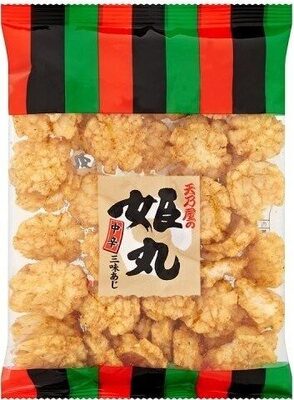 AMANOYA CORPORATION
Amanoya, Himemaru Japanese Rice Cracker
550kcal
6.7Protein
33.3Fat
53.3Carbs
BOURBON
Japanese Baked Rice Cracker
500kcal
10Protein
26.7Fat
56.7Carbs
JFC International Inc.
Hapi, Snacks Crazy Mix
400kcal
6.7Protein
0Fat
86.7Carbs
JFC International Inc.
Jfc, Chili Bits Kaki No Tane
400kcal
3.3Protein
0Fat
90Carbs
JFC International Inc.
Chili Bits & Peanuts Japanese Style Rice Crackers
533kcal
16.7Protein
33.3Fat
43.3Carbs
AMANOYA CORPORATION
Amanoya, Himemaru Japanese Rice Cracker
550kcal
6.7Protein
33.3Fat
53.3Carbs
BOURBON
Japanese Baked Rice Cracker
500kcal
10Protein
26.7Fat
56.7Carbs
JFC International Inc.
Hapi, Snacks Crazy Mix
400kcal
6.7Protein
0Fat
86.7Carbs
JFC International Inc.
Jfc, Chili Bits Kaki No Tane
400kcal
3.3Protein
0Fat
90Carbs
JFC International Inc.
Chili Bits & Peanuts Japanese Style Rice Crackers
533kcal
16.7Protein
33.3Fat
43.3Carbs
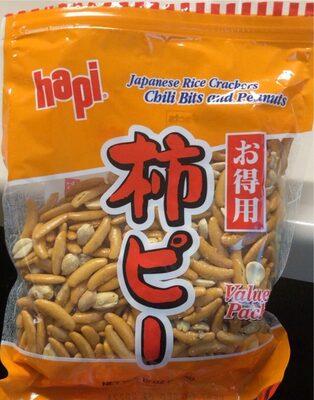 JFC International Inc.
Chili Bits And Peanuts Japanese Rice Crackers, Chili Bits And Peanuts
567kcal
16.7Protein
33.3Fat
46.7Carbs
JFC International Inc.
Chili Bits And Peanuts Japanese Rice Crackers, Chili Bits And Peanuts
567kcal
16.7Protein
33.3Fat
46.7Carbs
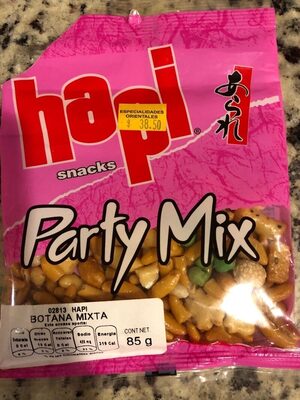 JFC International Inc.
Party Mix Snacks
400kcal
6.7Protein
1.7Fat
83.3Carbs
JFC International Inc.
Kaki No Tane Chili Bits
400kcal
3.3Protein
0Fat
90Carbs
JFC International Inc.
Party Mix Snacks
400kcal
6.7Protein
1.7Fat
83.3Carbs
JFC International Inc.
Kaki No Tane Chili Bits
400kcal
3.3Protein
0Fat
90Carbs