Non-gmo Beet Sugar
What is Non-gmo Beet Sugar?
Non-GMO beet sugar is a type of sugar extracted from sugar beets that have not been genetically modified. It is produced by crushing sugar beets, extracting the juice, and then purifying and crystallizing the sucrose.
Is Non-gmo Beet Sugar vegan?
Non-gmo Beet Sugar is not animal-derived. Products that contain it can still include other animal-derived ingredients, so check the full ingredient list.
Is Non-gmo Beet Sugar a major allergen?
Not a major allergen.
What is Non-gmo Beet Sugar used for?
Beet sugar is primarily used as a sweetener in a wide variety of packaged foods.
Is Non-gmo Beet Sugar safe?
Beet sugar, like other sugars, is generally recognized as safe (GRAS) by the FDA.
Why it's used
Beet sugar is primarily used as a sweetener in a wide variety of packaged foods. It provides sweetness and energy, and can also contribute to texture and browning in baked goods. It is commonly found in cookies, cakes, frozen breakfast items, and other desserts.
Health notes
Beet sugar, like other sugars, is generally recognized as safe (GRAS) by the FDA. It provides carbohydrates, which are a source of energy for the body. The 2025-2030 Dietary Guidelines for Americans recommend no specific amount of added sugars and suggest limiting intake to at most 10 grams per meal. Excessive intake of added sugars can contribute to consuming too many calories.
Allergen info
Not a major allergen.
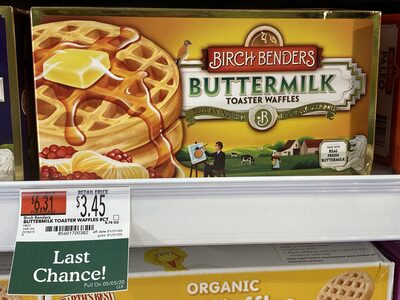
Foods that contain Non-gmo Beet Sugar
Compare products →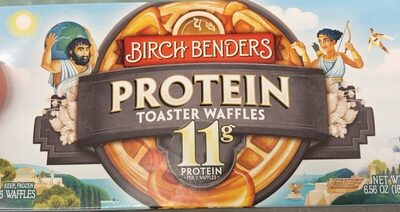
Learn more
Auto-generated content. This description was generated automatically and is pending editorial review. Inaccuracies are possible. Found a mistake? Contact us.