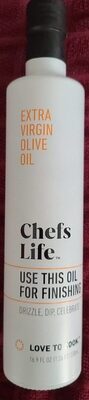
Non-gmo Extra Virgin Olive Oil
What is Non-gmo Extra Virgin Olive Oil?
Extra virgin olive oil is the highest grade of olive oil, made from the fruit of the olive tree. It is produced by pressing olives and extracting the oil without the use of heat or chemicals, preserving its natural flavor and nutrients. This method results in a pure, flavorful oil that is minimally processed.
Is Non-gmo Extra Virgin Olive Oil vegan?
Non-gmo Extra Virgin Olive Oil is not animal-derived. Products that contain it can still include other animal-derived ingredients, so check the full ingredient list.
Is Non-gmo Extra Virgin Olive Oil a major allergen?
Not a major allergen.
What is Non-gmo Extra Virgin Olive Oil used for?
Manufacturers use extra virgin olive oil primarily for its rich flavor and healthy fat content.
Is Non-gmo Extra Virgin Olive Oil safe?
Extra virgin olive oil is recognized as a source of healthy monounsaturated fats.
Why it's used
Manufacturers use extra virgin olive oil primarily for its rich flavor and healthy fat content. It's often used as a finishing oil for salads, vegetables, and grilled meats, or as a key ingredient in dressings and marinades. Its distinct taste also makes it a popular choice for dipping bread.
Health notes
Extra virgin olive oil is recognized as a source of healthy monounsaturated fats. The FDA permits health claims related to the consumption of olive oil and a reduced risk of coronary heart disease. Organizations like the World Health Organization (WHO) acknowledge the health benefits of olive oil consumption as part of a balanced diet. While generally considered healthy, like all fats, it is calorie-dense.
Allergen info
Not a major allergen.
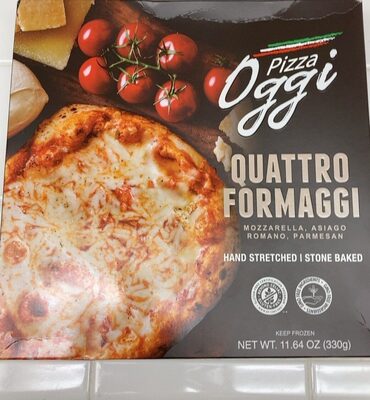
Foods that contain Non-gmo Extra Virgin Olive Oil
Compare products →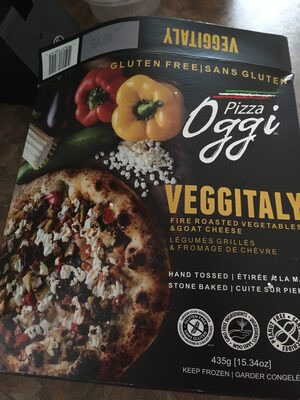

Learn more
Auto-generated content. This description was generated automatically and is pending editorial review. Inaccuracies are possible. Found a mistake? Contact us.