Non-gmo Mayonnaise
Auto-generated content. This description was generated automatically and is pending editorial review. Inaccuracies are possible. Found a mistake? Contact us.
What it is
Non-GMO mayonnaise is a condiment made without genetically modified organisms. It is typically made from oil, egg yolk, vinegar or lemon juice, and seasonings, with the oil and egg yolk emulsified to create a stable, creamy texture. The 'non-GMO' label indicates that the ingredients used, such as soybean or canola oil, have not been genetically engineered.
Why it's used
Mayonnaise is primarily used as a spread or condiment in sandwiches and salads, and as a base for dressings and dips. Its high fat content and emulsifying properties contribute to a rich flavor and smooth texture in a variety of prepared foods.
Health notes
Mayonnaise is generally recognized as safe (GRAS) by the FDA for use in food. It is primarily composed of fat and calories. Regulatory bodies like JECFA and EFSA have evaluated various components of mayonnaise, such as fats and acids. Evidence does not link mayonnaise consumption at typical levels to adverse health effects.
Allergen info
Mayonnaise typically contains egg, which is one of the FDA's major allergens. Some varieties may also contain soy or other allergens depending on the specific ingredients used.
Products containing Non-gmo Mayonnaise
Compare products →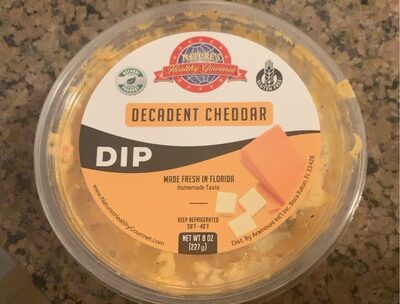 Nature's Healthy Gourmet, Inc.
Decadent Cheddar Dip, Decadent Cheddar
321kcal
10.7Protein
28.6Fat
7.1Carbs
Meninno Bros Mushroom Company
Curry Chicken Snack Break
High in sodium — 31% DV per serving
High in cholesterol — 23% DV per serving
217kcal
12.6Protein
10.6Fat
19.7Carbs
Nature's Healthy Gourmet, Inc.
Decadent Cheddar Dip, Decadent Cheddar
321kcal
10.7Protein
28.6Fat
7.1Carbs
Meninno Bros Mushroom Company
Curry Chicken Snack Break
High in sodium — 31% DV per serving
High in cholesterol — 23% DV per serving
217kcal
12.6Protein
10.6Fat
19.7Carbs