Non-gmo Yeast
What is Non-gmo Yeast?
Yeast is a single-celled microorganism, a type of fungus. "Non-GMO yeast" means it has not been genetically modified using modern biotechnology. It is typically grown on a sugar-rich medium, such as molasses.
Is Non-gmo Yeast vegan?
Non-gmo Yeast is not animal-derived. Products that contain it can still include other animal-derived ingredients, so check the full ingredient list.
Is Non-gmo Yeast gluten-free?
It does not contain gluten.
Is Non-gmo Yeast a major allergen?
Yeast is not one of the nine major allergens recognized by the FDA.
What is Non-gmo Yeast used for?
Yeast is widely used as a leavening agent in baked goods like bread and pizza dough, causing them to rise.
Is Non-gmo Yeast safe?
Yeast is generally recognized as safe (GRAS) by the FDA for use in food.
Why it's used
Yeast is widely used as a leavening agent in baked goods like bread and pizza dough, causing them to rise. It also contributes flavor and aroma to foods. Non-GMO yeast is used in products where consumers may prefer ingredients not produced with genetic engineering.
Health notes
Yeast is generally recognized as safe (GRAS) by the FDA for use in food. It is a source of B vitamins and minerals. International bodies like JECFA and EFSA have evaluated yeast and its components. Some individuals may experience digestive upset from yeast, particularly those with yeast sensitivities or compromised immune systems.
Allergen info
Yeast is not one of the nine major allergens recognized by the FDA. It does not contain gluten.
Foods that contain Non-gmo Yeast
Compare products →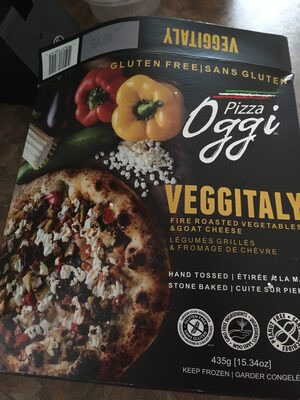
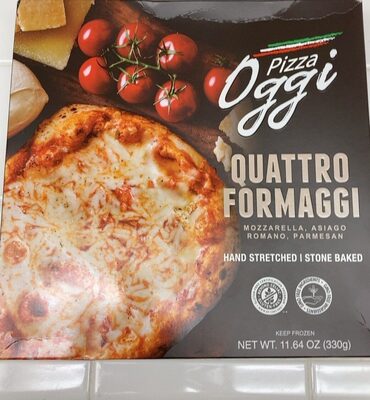
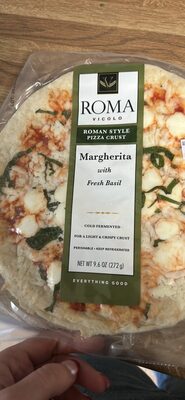
Auto-generated content. This description was generated automatically and is pending editorial review. Inaccuracies are possible. Found a mistake? Contact us.