Nonfat Dry Milk Or Cultured Dextrose
What is Nonfat Dry Milk Or Cultured Dextrose?
Nonfat dry milk is made by removing water from pasteurized skim milk. Cultured dextrose is made by fermenting dextrose (a sugar) with specific bacteria, which produces acids and other compounds that can help preserve food.
Is Nonfat Dry Milk Or Cultured Dextrose vegan?
No. Nonfat Dry Milk Or Cultured Dextrose is animal-derived, so it is not vegan.
Is Nonfat Dry Milk Or Cultured Dextrose a major allergen?
Nonfat dry milk is derived from milk, which is one of the 9 FDA major allergens.
What is Nonfat Dry Milk Or Cultured Dextrose used for?
These ingredients are often used to improve texture, act as a stabilizer, and enhance flavor in packaged foods.
Is Nonfat Dry Milk Or Cultured Dextrose safe?
Nonfat dry milk is a source of protein and calcium.
Why it's used
These ingredients are often used to improve texture, act as a stabilizer, and enhance flavor in packaged foods. They are commonly found in baked goods, dairy products, and snack items.
Health notes
Nonfat dry milk is a source of protein and calcium. Cultured dextrose acts as a preservative and is generally recognized as safe (GRAS) by the FDA. Neither ingredient has specific regulatory limits set by JECFA or EFSA, and they are not associated with significant health controversies at typical consumption levels.
Allergen info
Nonfat dry milk is derived from milk, which is one of the 9 FDA major allergens. Cultured dextrose is not derived from a major allergen.
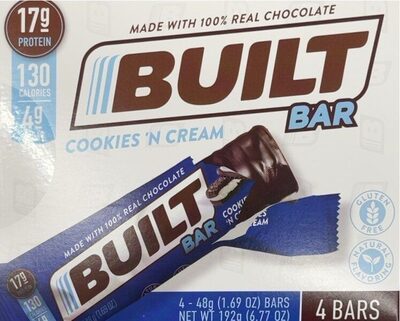
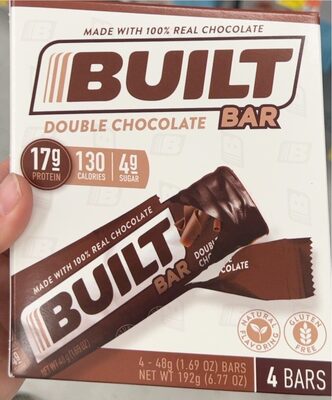
Foods that contain Nonfat Dry Milk Or Cultured Dextrose
Compare products →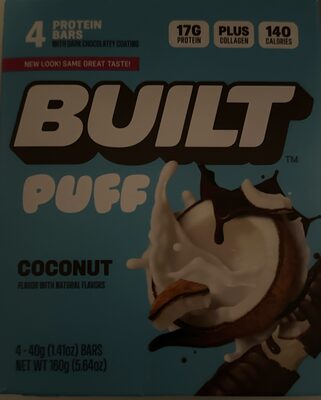
Learn more
Auto-generated content. This description was generated automatically and is pending editorial review. Inaccuracies are possible. Found a mistake? Contact us.